

The History of Caribbean Food
How Indigenous, African, and Creole Traditions Shaped Island Cuisine
The history of Caribbean food is a story of people, movement, and survival. Every dish tells part of that story. From the first Indigenous communities to African ancestors, European colonizers, and later immigrants, each group left a mark on what Caribbean food looks and tastes like today. Food across the islands is more than something to eat. It reflects identity, tradition, and shared history.
Learning about the history of Caribbean food helps you understand the islands in a deeper way.
Meals connect people to their land, their families, and their past. This long journey of influence is what shaped Caribbean food culture into something rich, layered, and deeply personal.
Indigenous Beginnings: The First Caribbean Food Traditions
Long before Europeans arrived, Indigenous peoples lived throughout the Caribbean. Groups such as the Taíno and Arawak built food systems based on what the islands naturally provided. Their knowledge shaped the earliest Caribbean kitchens and still plays a role today.
Indigenous diets often included
- Cassava (yuca), used to make flatbreads and porridges
- Corn, sweet potatoes, squash, and peppers
- Fresh fish, shellfish, and small game
- Herbs and plants used for both flavor and medicine
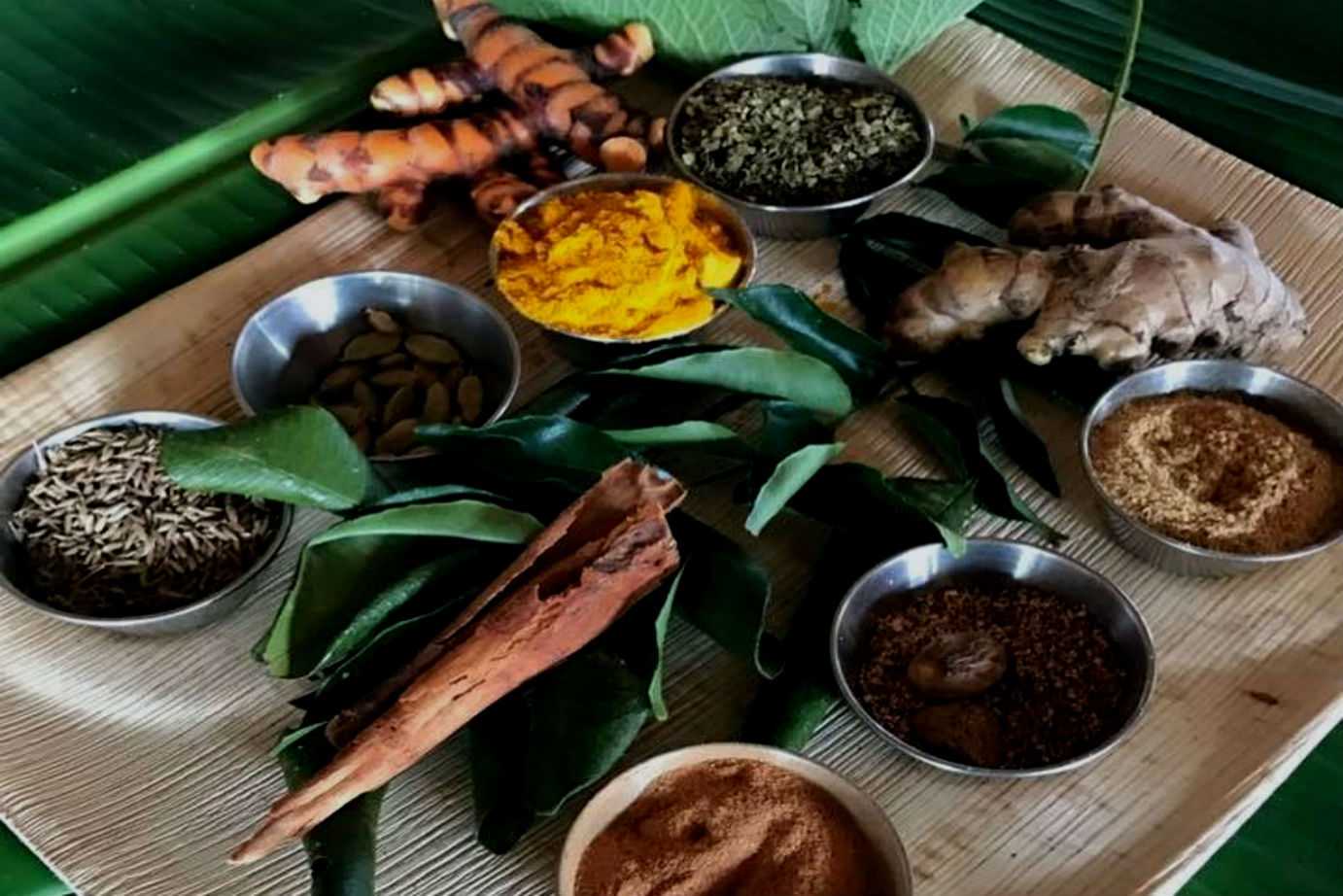
Cassava was especially important. It could be dried and stored, making it reliable during times when fresh food was limited. This crop later helped enslaved Africans survive harsh conditions.
Indigenous cooking methods that shaped Caribbean cuisine
- Roasting food over open fires
- Grilling meats and fish on wooden frames
- Smoking food to preserve it and add flavor
These techniques formed the base of many cooking styles still used across the islands.
African Influence and the Soul of Caribbean Cooking
African influence sits at the heart of the history of Caribbean food, and you can taste it in everyday meals across the islands. When enslaved Africans were forced across the Atlantic, they were separated from their homelands, but they did not arrive empty handed. They brought farming knowledge, cooking methods, flavor preferences, and a strong sense of how food can hold a community together. Even in brutal conditions, they adapted what they knew to new island ingredients and limited resources. Over time, those choices shaped what many people now recognize as classic Caribbean cooking.
Why African food traditions mattered so much
Plantation life often meant small rations, leftover cuts of meat, and whatever could be grown in provision grounds or gathered locally. That reality pushed cooks to be creative, practical, and smart about flavor.
- Stretch small amounts of food to feed many mouths
- Build deep flavor without expensive ingredients
- Cook meals that felt comforting, familiar, and filling
- Keep cultural memory alive through shared dishes
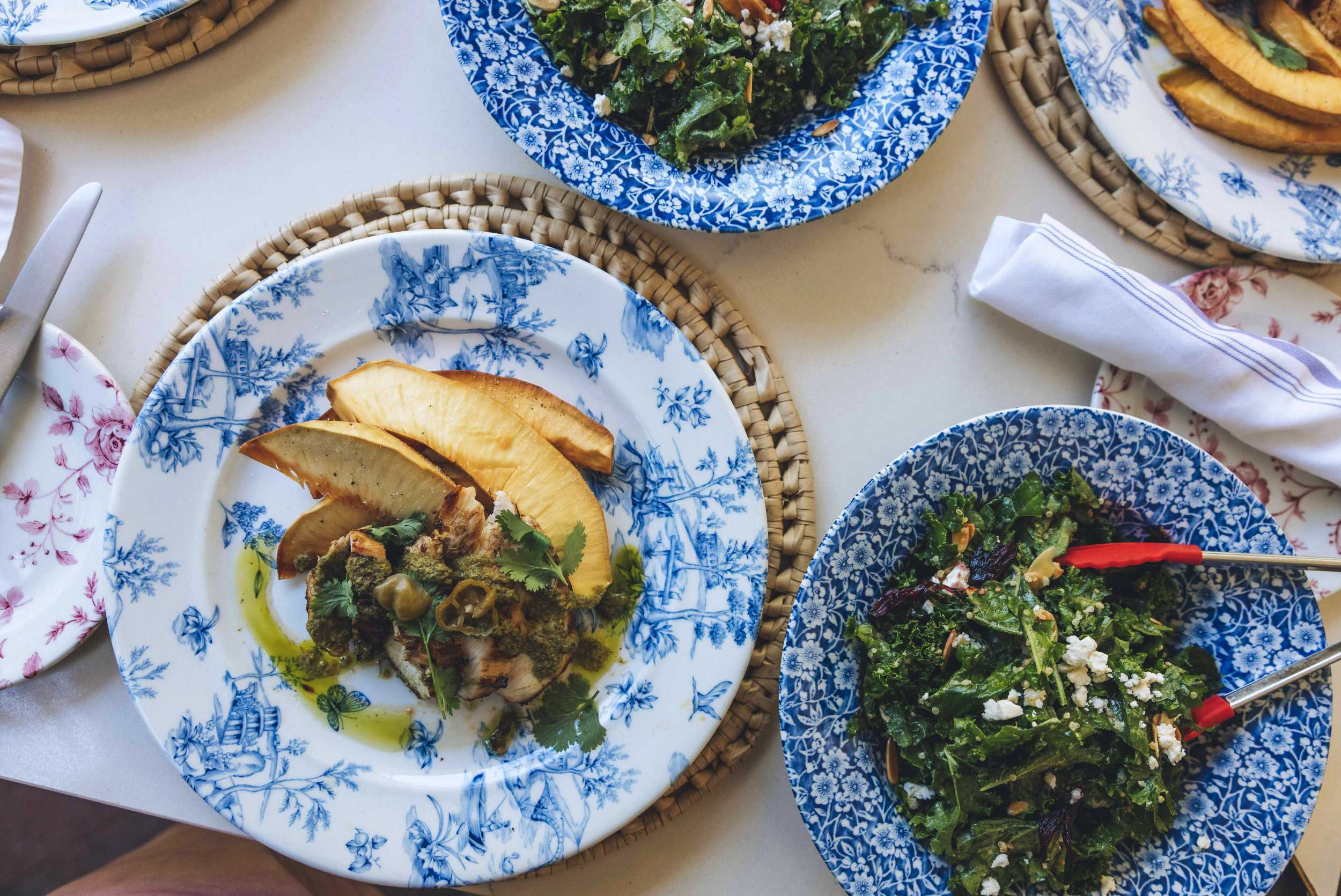
The “one pot” approach
One of the most lasting African contributions is the one pot meal — starch, protein, vegetables, herbs, and spices simmered together until the flavors become one.
Why one pot meals became so important
- Saves fuel and time
- Makes tougher cuts of meat tender
- Blends seasonings into every bite
- Naturally feeds a group, matching the Caribbean tradition of sharing
You can see this in dishes like rice and peas, pelau, pepper pot, stewed chicken, and many kinds of soups.
Slow cooking, where the flavor really builds
- Long simmered stews with root vegetables
- Soups made with bones, salted meat, or fish
- Beans cooked until creamy and flavorful
- Saucy dishes where the gravy is just as important as the meat
If you have ever had a Caribbean stew that tastes even better the next day, that is slow cooking doing its job.
Greens like callaloo and okra
Leafy greens and okra are a strong link to African foodways. Callaloo can mean different greens depending on the island, but the method — cooking greens down with aromatics and seasoning — connects back to African traditions.
How these ingredients stayed important
- Nutrient rich and easy to grow
- Flexible in soups, stews, and sautéed dishes
- Familiar textures and cooking styles that carried across the Atlantic
Layered seasoning, not just “spicy”
The real secret is building flavor in stages.
-
Key building blocks of flavor
- Fresh aromatics like onion, garlic, scallion, and ginger
- Herbs like thyme, bay leaf, and sometimes culantro
- Peppers for fragrance and bite, not just heat
- Salted or smoked ingredients that boost savory depth
-
Quick Takeaways: What African influence added
- One pot meals that bring people together
- Slow cooking that builds deep, comforting flavor
- Greens and okra used in hearty, everyday dishes
- Seasoning built in layers, not just heat
- A strong tradition of making the most of what you have
European Colonization and the Rise of Creole Cuisine
European colonizers brought new ingredients, animals, and cooking styles to the Caribbean. Spanish, British, French, and Dutch influences varied by island, but all played a role in shaping modern cuisine.
European influence introduced
- Livestock like pigs, goats, and cattle
- Ingredients such as onions, garlic, sugar, and wheat
- Baking and preservation techniques
- Plantation based food systems
Creole cuisine developed as cultures blended. Local cooks adapted European methods using African techniques and Indigenous ingredients. The result was something entirely new, shaped by necessity and creativity.
Creole food looks different across the region. In places like Haiti, French cooking methods mixed with African flavors to create rich sauces and slow cooked meals. In Jamaica, British influence combined with African traditions to create hearty dishes built around saltfish, yams, and rice.
Creole food is not one style. It changes from island to island, shaped by local history and culture.
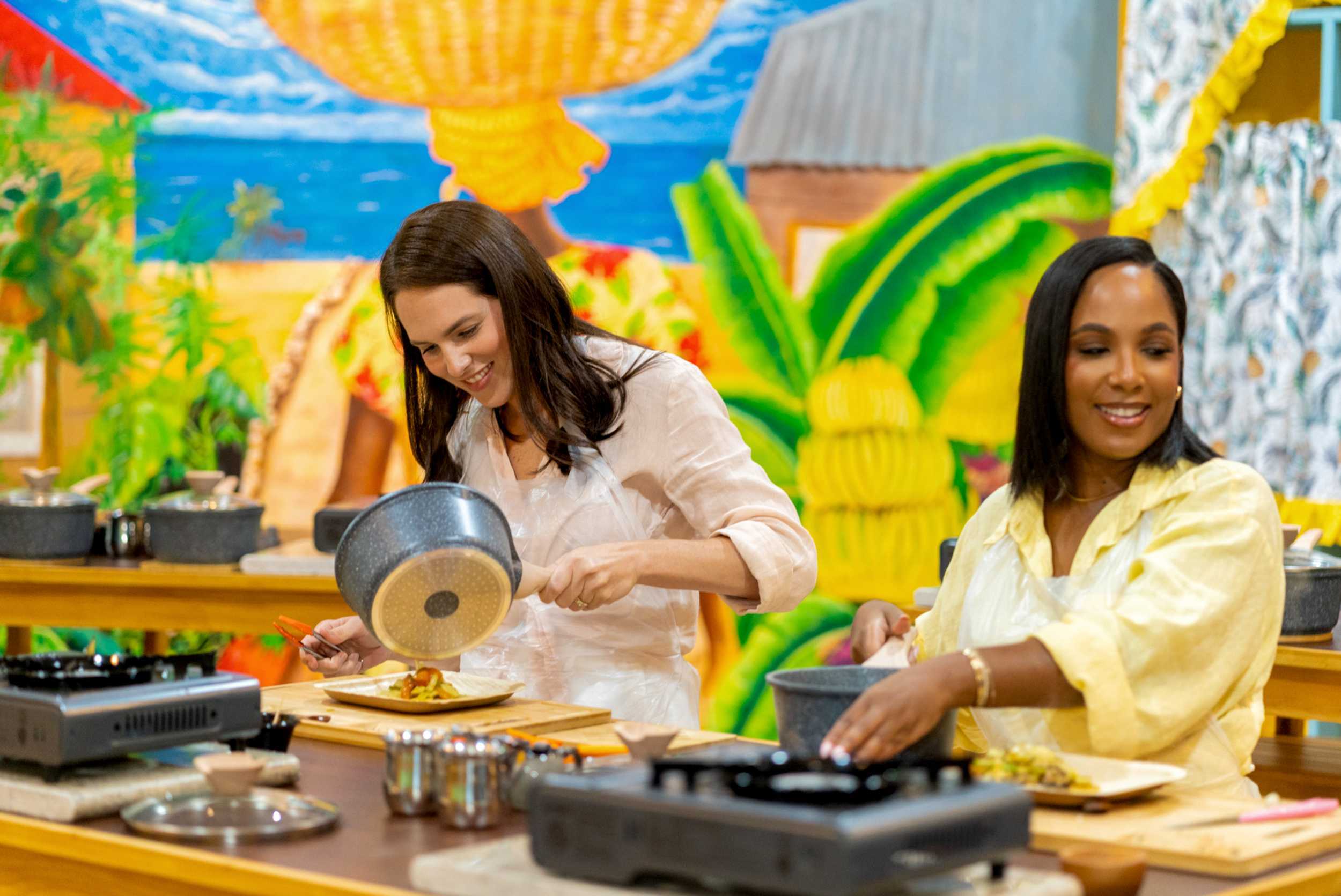
Caribbean Food Culture and Everyday Life
How Caribbean Food Culture Brings People Together
Caribbean food culture is about connection. Meals are often shared, unhurried, and prepared with care. Food brings families together and strengthens community bonds.
Food plays an important role in
- Family gatherings and Sunday meals
- Holidays, festivals, and religious events
- Community celebrations and local markets
- Remembering ancestors and traditions
Recipes are often taught by watching and doing. Many cooks do not measure ingredients. They cook by feel, taste, and memory — which makes each dish personal and slightly different from home to home.
The Importance of Local Markets
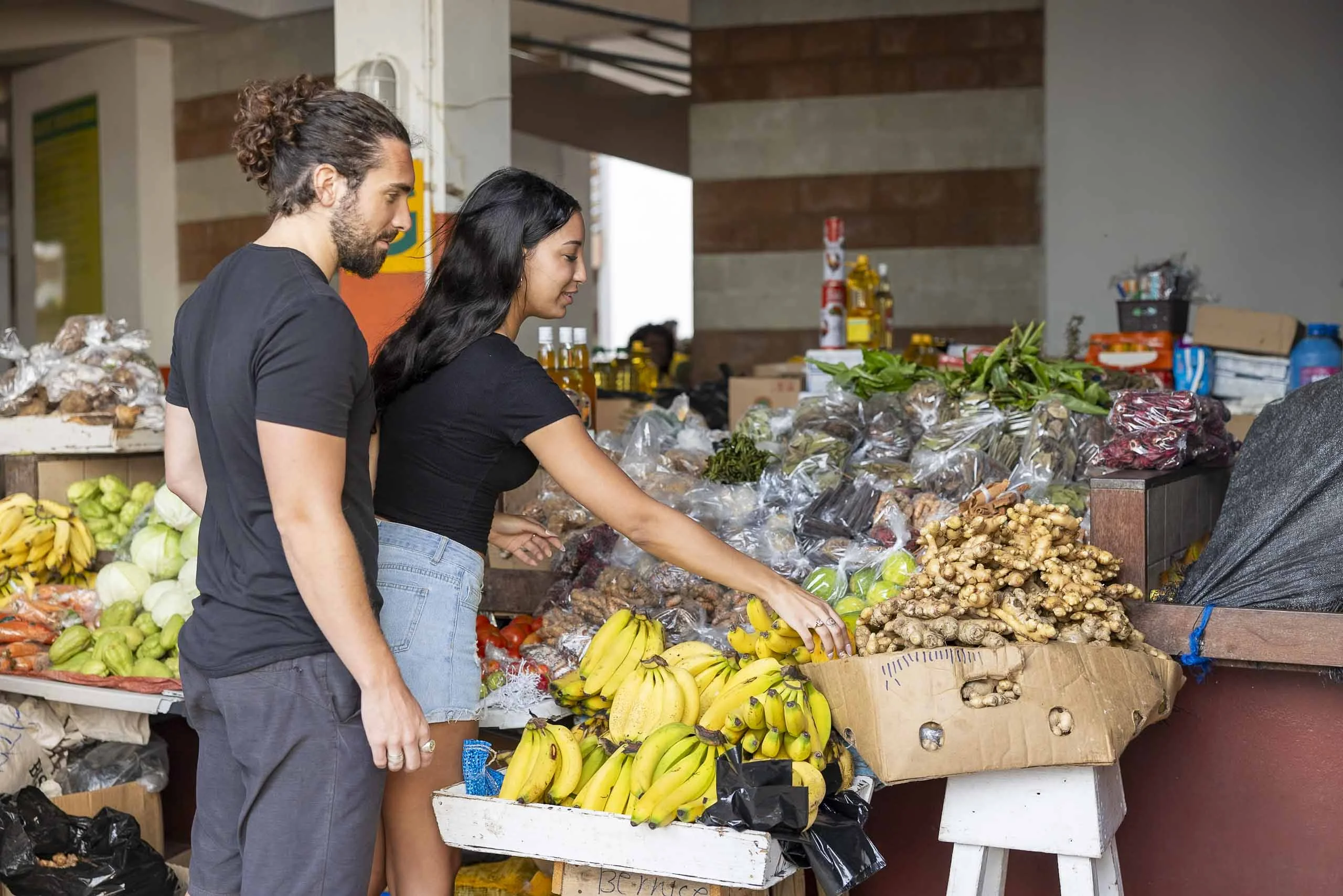
Markets remain a key part of daily life across the Caribbean. They connect people directly to farmers, fishermen, and small producers.
At local markets, you will often find
- Fresh fruits like mangoes, guava, and breadfruit
- Herbs and spices grown nearby
- Fish caught earlier that day
- Homemade sauces and seasonings
Why markets matter
Shopping this way supports local families and keeps traditional foods alive.
Spices, Preservation, and Bold Flavor
Spices play a big role in Caribbean cooking. They are not just about heat. They help balance flavors and bring depth to simple ingredients. Preservation methods like salting, drying, and smoking also shaped taste — saltfish became a staple across many islands and remains popular today.
Common spices and seasonings include
- Allspice, also known as pimento
- Scotch bonnet peppers
- Thyme, ginger, and bay leaf
- Garlic, onion, and scallions
Modern Caribbean Cuisine and Global Influence
The history of Caribbean food is still unfolding. Migration spread Caribbean flavors around the world, while new influences returned to the islands through travel and trade.
Modern Caribbean food reflects
- Asian influences like curry and fried rice
- Middle Eastern spices brought through migration
- New cooking techniques mixed with tradition
Even with change, the core stays the same: bold flavors, shared meals, and respect for tradition.
Many travelers notice that food tastes different from island to island. A dish can change based on the cook, the region, and even the season.
Frequently Asked Questions
-
What is the history of Caribbean food?
The history of Caribbean food is shaped by Indigenous knowledge, African traditions, and European influence. These cultures blended over centuries to create diverse island cuisines rooted in local ingredients and shared experience. -
Why is African influence so important in Caribbean food culture?
African influence introduced one pot meals, spice layering, and communal dining. These traditions helped shape everyday cooking and remain central to Caribbean food culture today. -
How did Indigenous people influence Caribbean cooking?
Indigenous communities introduced staple crops like cassava and corn, along with methods such as roasting and smoking. These techniques formed an early foundation of Caribbean cuisine. -
What does Creole food mean in the Caribbean?
Creole food refers to dishes created from cultural blending — combining African cooking styles, Indigenous ingredients, and European techniques — with each island having its own version. -
Is Caribbean food the same on every island?
Caribbean food varies widely across the region. While many ingredients are shared, each island reflects its own history, climate, and cultural mix. -
How does the history of Caribbean food shape travel experiences?
Understanding the history behind the food helps travelers connect more deeply with local culture. Food offers insight into daily life, traditions, and the stories behind the islands.
Experiencing the History of Caribbean Food Today
The history of Caribbean food comes alive when you experience it firsthand. Visiting markets, tasting local dishes, and sharing meals with locals offers a deeper connection to island life. Caribbean food culture invites you to slow down and appreciate the stories behind each meal.
For travelers who want more than surface level experiences, food is often the best guide. If you want to explore the Caribbean through its culture, flavors, and traditions, contact us for more information on curated island experiences that celebrate the true spirit of the Caribbean.
Experiencing the History of Caribbean Food Today
The history of Caribbean food comes alive when you experience it firsthand. Visiting markets, tasting local
dishes, and sharing meals with locals offers a deeper connection to island life. Caribbean food culture invites
you to slow down and appreciate the stories behind each meal.
For travelers who want more than surface level experiences, food is often the best guide. If you want to
explore the Caribbean through its culture, flavors, and traditions, contact us for more information on curated
island experiences that celebrate the true spirit of the Caribbean.