

Jamaican Rum
Distilling History, Craft, and Island Heritage
When people think of Jamaica, white sand beaches and turquoise water often come to mind first. But there is another part of the island’s identity that runs just as deep: Jamaican rum. This famous spirit is more than a vacation drink or a cocktail ingredient. It carries centuries of tradition, cultural pride, and island history in every bottle.
Jamaican rum has played a role in daily life, trade, and celebration for generations. Learning about it offers a better understanding of Jamaica itself.
From sugarcane fields to distilleries, and from family gatherings to global bars, rum connects Jamaica’s past to its present in a powerful way.
The Roots of Jamaican Rum
The story of Jamaican rum begins with sugarcane. Sugarcane was introduced to Jamaica in the 1500s, and the island’s warm climate made it ideal for growing. As sugar production increased, molasses became widely available. This thick, dark syrup became the base ingredient for rum.
By the 1600s, rum production was growing quickly across Jamaica. Early rum was rough and strong, often used by sailors and traders rather than enjoyed for flavor. Over time, Jamaican producers began refining their methods. These changes helped turn rum into a spirit known for depth, character, and quality.
The History of Jamaican Rum and Its Cultural Impact
How colonial rule shaped the history of Jamaican rum
The history of Jamaican rum is closely tied to Jamaica’s colonial past. Sugar plantations relied on enslaved labor, and rum became part of the global trade system. While this period was marked by hardship, African traditions influenced fermentation practices and community customs around food and drink.
After emancipation, the rum industry began to change. Some plantations closed, but others adapted. Jamaican distillers started focusing more on craft and consistency, passing down techniques through generations. These efforts helped preserve the bold style Jamaican rum is known for today.
Rum as a symbol of identity and pride
Following emancipation, Jamaican rum took on a new meaning. It became a symbol of resilience and independence. Local producers leaned into traditional methods instead of copying lighter rum styles from other regions. This choice helped Jamaican rum stand apart and keep its cultural roots intact.
What Makes Jamaican Rum Different
If you’ve ever tried Jamaican rum and thought, “Wow, this tastes bigger than most rums,” you’re not
imagining it. Jamaican rum is known for a bold aroma and a flavor that can feel deep, fruity, spicy, and
sometimes even a little “funky” in the best way. That style comes from a mix of tradition and science,
plus Jamaica’s climate and local environment.
Below, we’re breaking down what makes Jamaican rum different in a way that’s easy to understand, even if you’re new to rum.
The Big Picture: Why Jamaican Rum Tastes So Distinct
Most rum starts with sugarcane, molasses, yeast, fermentation, distillation, and aging. Jamaican rum follows that same general path, but the choices Jamaican distillers make at each step are what create that signature character.
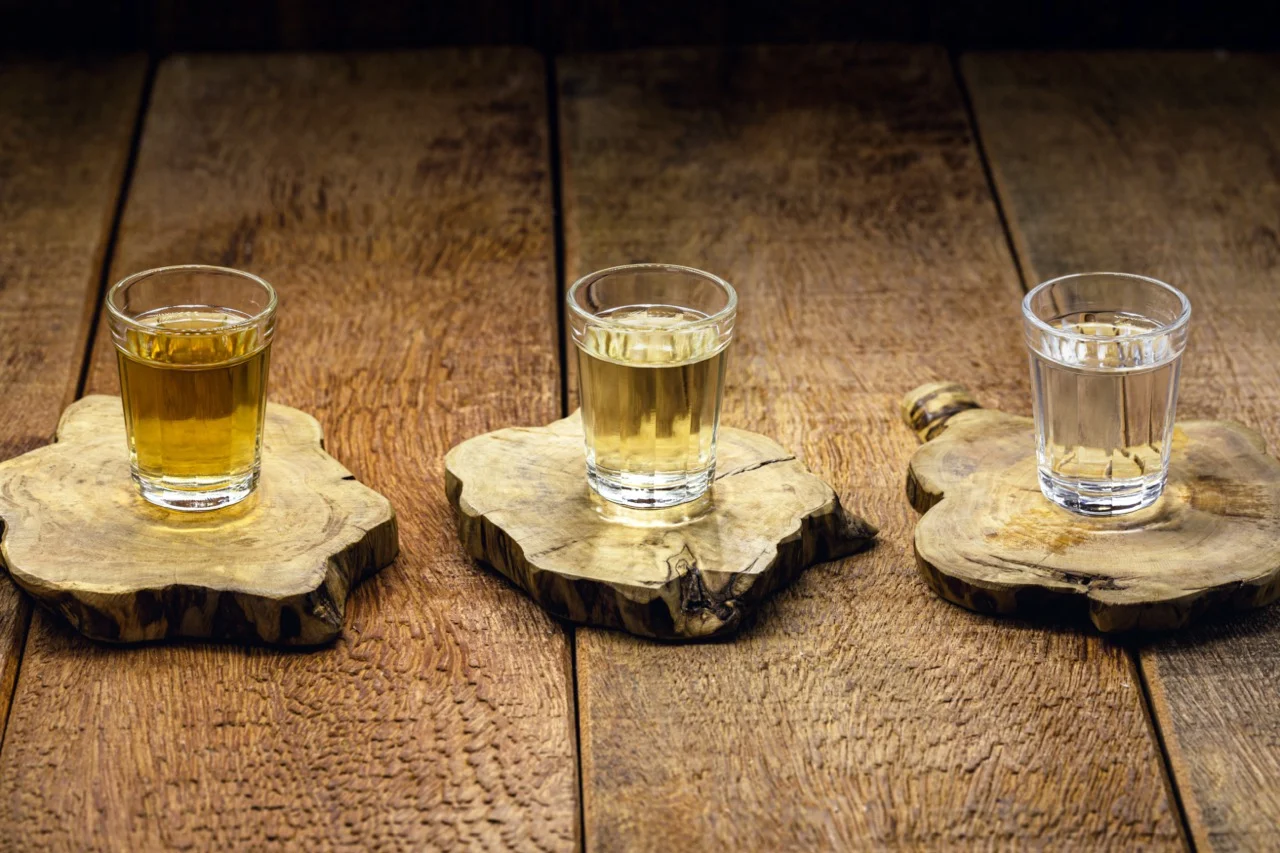
Here’s what sets Jamaican rum apart:
- Longer fermentation times that create bigger flavor
- Yeast and microbes that help build unique aromas
- Pot still distillation that keeps heavier, richer notes
- Tropical aging that changes rum faster inside the barrel
Now let’s walk through each one.
1) Long Fermentation: Where the Flavor Really Starts
Fermentation is the step where yeast turns sugar into alcohol. It also creates flavor compounds that later show up as aroma and taste. In many rum producing regions, fermentation is kept fairly short to produce a lighter, cleaner spirit. Jamaican producers are famous for letting fermentation run longer.
What longer fermentation does for Jamaican rum
When fermentation lasts longer, more flavor compounds are created. These compounds help form the fruity and aromatic notes Jamaican rum is known for.
You’ll often notice flavors and aromas like: Ripe banana, Pineapple, Citrus peel, Overripe fruit (in a good way), Warm spice, A rich, “molasses” depth.
Why longer fermentation is not always used elsewhere
Longer fermentation can be harder to manage. It takes: More time (which slows production), More careful control (because flavor can shift quickly), and More experience (to keep quality consistent). Jamaican rum producers have built a reputation for doing this well.
2) Natural Yeast and Jamaica’s Microclimate
Yeast does more than create alcohol. It also shapes the smell and flavor of
the rum. Think of yeast like a behind the scenes flavor builder.
Many distilleries around the world use
selected yeast strains that produce consistent results. Jamaica also uses specific yeast choices, but
the island’s environment plays a role too.
How the environment influences Jamaican rum
Jamaica’s warm climate and local microbes can affect fermentation in ways that are hard to copy elsewhere. That’s why
some Jamaican rum has an aroma that feels instantly recognizable.
This influence can lead to:
- Stronger fruity notes
- Bolder aromas that “jump” out of the glass
- More layered flavor from start to finish
What “funk” means (and why some people love it)
You might hear rum fans describe Jamaican rum as “funky.” In rum culture, “funk” usually means a strong, ripe, tropical fruit aroma that can feel wild compared to lighter rums. It’s not a bad thing. It’s a style choice.
Some people love it right away. Others warm up to it over time, especially when they learn how to enjoy Jamaican rum in the right way.
3) Pot Still Distillation: The Classic Method That Keeps the Character
Distillation is the step where fermented liquid is heated so alcohol vapor
rises, then cools back into liquid. There are different types of stills, and the still type makes a huge
difference in flavor.
Jamaican rum is famous for pot still rum.
Pot still vs column still, in simple terms
-
Pot still distillation
tends to produce rum that is:
- Heavier
- Richer
- More Aromatic
- More Flavorful
Column still distillation tends to produce rum that is:- Lighter
- Cleaner
- More Neutral in Flavor
- More Flavorful
Neither is “better.” They’re just different styles. Jamaican rum often leans toward pot still because it keeps more of those bold flavor compounds created during fermentation. -
Why pot still rum tastes more intense
Pot stills don’t strip away as much flavor. That means more of the rum’s natural character remains in the final spirit.
If you’ve ever had Jamaican rum and noticed it feels:- Fuller in your mouth
- More aromatic before you even sip
- Stronger in flavor even at the same proof
That’s often pot still influence at work.
4) Tropical Aging: What Heat Does Inside the Barrel
After distillation, many rums are aged in barrels, often made from oak. The barrel adds color and flavor over time, pulling in notes like vanilla, caramel, spice, and toasted wood. Jamaica’s climate makes aging happen faster.
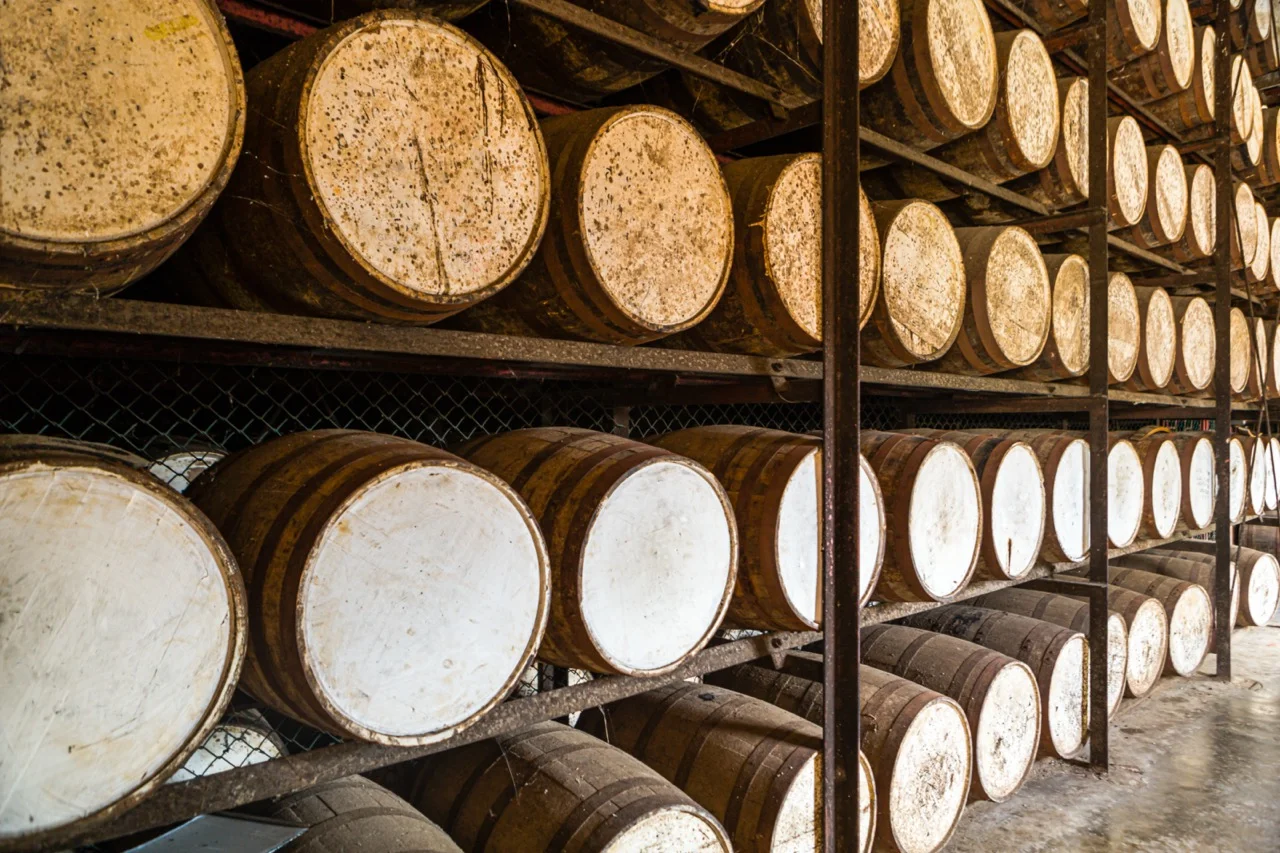
Why tropical aging changes rum more quickly
Heat speeds up the interaction between the rum and the wood. In simple terms, the rum “breathes” more through the barrel, which helps it mature.
Tropical aging can bring out flavors like:
- Vanilla and caramel
- Toasted oak
- Baking spice
- Dried fruit
- Cocoa and coffee notes (in older rums)
The tradeoff: the “angel’s share”
In warm climates, more rum evaporates from the barrel. This is often called the “angel’s share.” So while tropical aging
can create great flavor faster, producers also lose more product along the way.
That’s one reason well aged Jamaican rum can feel especially valuable.
How These Elements Work Together
Each of these steps builds on the one before it.
- Long fermentation creates intense flavor compounds
- Yeast and environment shape those aromas in a unique way
- Pot still distillation keeps those flavors in the spirit
- Tropical aging adds depth and rounds out the profile
That’s how Jamaican rum ends up tasting bold, fruity, and full bodied.
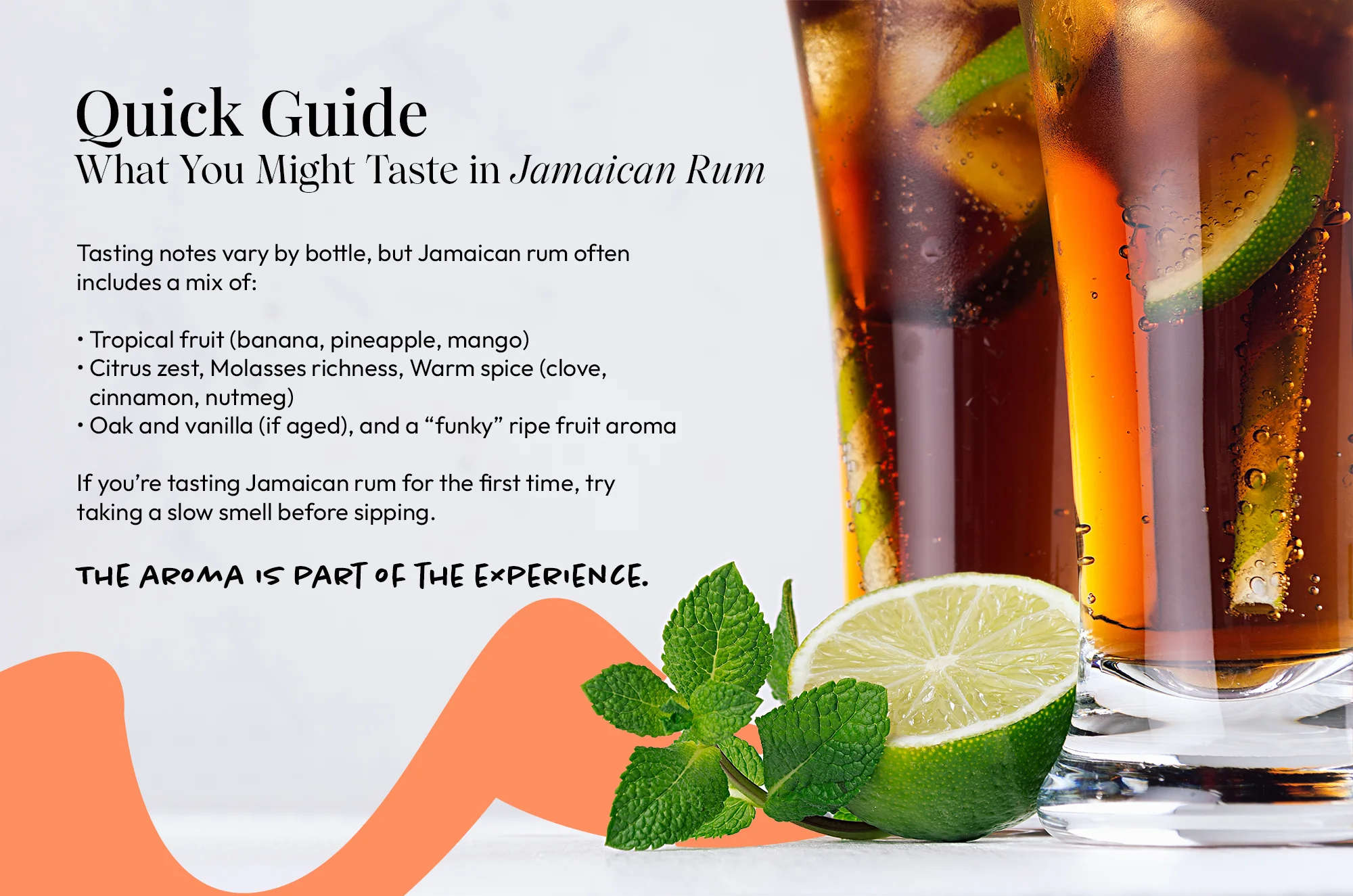
Quick Guide: What You Might Taste in Jamaican Rum
Tasting notes vary by bottle, but Jamaican rum often includes a mix of:
- Tropical fruit (banana, pineapple, mango)
- Citrus zest, Molasses richness, Warm spice (clove, cinnamon, nutmeg)
- Oak and vanilla (if aged), and a “funky” ripe fruit aroma
If you’re tasting Jamaican rum for the first time, try taking a slow smell before sipping. The aroma is part of the experience.
Common Questions Readers Have About Jamaican Rum
-
Why does Jamaican rum smell so strong?
Jamaican rum often has longer fermentation and uses pot still distillation. Both steps create and keep stronger aroma compounds, which is why the smell can feel more powerful than other rums. -
Is Jamaican rum supposed to taste “funky”?
Sometimes, yes. That “funk” usually means ripe, tropical fruit notes and a bold aroma. Not every bottle has the same level of funk, but it’s a well known part of Jamaican rum’s identity. -
Is Jamaican rum better for cocktails or sipping?
It can be great for both. Jamaican rum adds big flavor to cocktails, especially classics like rum punch. Many aged Jamaican rums also work well for sipping because tropical aging adds richness and smoothness. -
Is all Jamaican rum made in pot stills?
Not all of it, but pot still rum is a major part of what Jamaica is known for. Some Jamaican rums include a mix of pot still and column still rum, depending on the style. -
Why does aged Jamaican rum taste so rich?
Tropical aging in Jamaica speeds up the rum’s interaction with the barrel. That can bring deeper flavors like vanilla, spice, caramel, and toasted oak in a shorter time than cooler climates. -
How can you enjoy Jamaican rum if you’re new to it?
A few easy ways to start:- Try it in a simple rum punch first
- Add a small splash to a classic cocktail for more flavor
- Sip it with a little ice to soften the aroma
- Pair it with Jamaican food for a full experience
The Importance of Place and Climate
Just like wine reflects where grapes are grown, Jamaican rum reflects the island itself. Jamaica’s limestone soil
affects how sugarcane grows, which in turn influences the flavor of the rum. Coastal air, rainfall, and heat also play a
role.
Aging is especially important. Rum aged in Jamaica matures faster because of the warm climate. Barrels interact more
quickly with the spirit, deepening color and flavor in less time. This is one reason Jamaican rum often tastes richer
even when it is younger.
Traditional Distillation Methods Still Matter
Many Jamaican distilleries continue to use pot stills, a method that dates back hundreds of years. Pot stills create
heavier and more aromatic rum compared to column stills, which are often used for lighter spirits.
This method takes more time and skill, but it keeps the natural character of the rum intact. Jamaican producers value
this approach because it honors tradition while delivering bold flavor.
Jamaican Rum in Everyday Life
In Jamaica, rum is not reserved for special events. It is part of everyday culture. Families serve it at celebrations,
gatherings, and holidays. Locals may enjoy it straight, mixed with juice, or as part of traditional punches.
Rum also appears in music, storytelling, and social customs. It plays a role in marking important moments and bringing
people together. Understanding this helps visitors see Jamaican rum as part of island life, not just a souvenir.
How Travelers Experience Jamaican Rum Today
Visitors to Jamaica have many ways to connect with Jamaican rum. Distillery tours, tastings, and cultural excursions help bring the story to life. These experiences go beyond drinking rum and focus on learning where it comes from and why it matters.
- Touring working distilleries and learning how rum is made
- Sampling different styles while hearing stories from local guides
- Pairing rum with Jamaican food for a deeper cultural experience
- Seeing how rum fits into festivals and local traditions
Jamaican Rum on the Global Stage
Jamaican rum has influenced rum makers around the world. Its bold style has
shaped classic blends and inspired modern craft distillers. Bartenders often choose Jamaican rum when
they want strong flavor in cocktails.
Even with global recognition, Jamaican producers remain committed
to tradition. Many distilleries continue using methods passed down through generations, protecting what
makes Jamaican rum unique.
Why Jamaican Rum Adds Meaning to Travel
For travelers, learning about rum adds depth to a Jamaican vacation. It
creates a stronger connection to the island and its people. Whether you are exploring the countryside or
relaxing by the sea, rum offers insight into Jamaica’s story.
Island Routes designs experiences that
help guests connect with culture in a thoughtful way. By learning about Jamaican rum, travelers gain a
better understanding of the island beyond the surface.
Frequently Asked Questions About Jamaican Rum
-
What makes Jamaican rum taste so strong?
Jamaican rum uses long fermentation and pot still distillation, which creates bold aroma and flavor. These methods allow more natural compounds to remain in the rum. -
How far back does the history of Jamaican rum go?
The history of Jamaican rum dates back to the 17th century, when sugarcane plantations began producing molasses for distillation. -
Is all Jamaican rum high proof?
Not all Jamaican rum is high proof. While some expressions are strong, others are smooth and balanced. Flavor intensity does not always mean higher alcohol content. -
Can visitors tour rum distilleries in Jamaica?
Yes. Many distilleries welcome visitors and offer guided tours that explain the rum making process and include tastings. -
How do locals usually enjoy Jamaican rum?
Locals enjoy Jamaican rum neat, mixed with juice, or in traditional punches. It is often shared during social gatherings and celebrations.
Jamaican Rum as a Reflection of Island Heritage
Jamaican rum represents more than a spirit. It reflects endurance, creativity,
and pride. Every bottle carries the influence of the land and the people who shaped it over generations.
By learning about rum, visitors gain insight into Jamaica’s past and present. It turns a simple drink
into a cultural experience.
Experience Jamaican Rum With Island Routes
Jamaican rum brings together history, craft, and island heritage in a way few spirits can. From its early beginnings to
its place in modern culture, Jamaican rum remains a powerful symbol of Jamaica itself.
Jamaican rum brings together history, craft, and island heritage in a way few spirits can. From its early beginnings to
its place in modern culture, Jamaican rum remains a powerful symbol of Jamaica itself.