

Caribbean Spices:
The Aromas and Flavors That Define Island Cooking
Food in the Caribbean is easy to recognize, even before the first bite. You smell it in the air. Warm spices, fresh herbs, and a hint of heat come together in a way that feels comforting and exciting at the same time. Caribbean spices are the reason island food tastes so bold, layered, and full of life.
From home kitchens to beachside grills, Caribbean spices shape how meals are cooked, shared, and enjoyed. They reflect history, culture, and everyday island living. If you have ever wondered why Caribbean food tastes the way it does, it always comes back to the spices.
In this guide, we will explore Caribbean spices, explain what are Caribbean spices, and show how they define island cooking across the region.
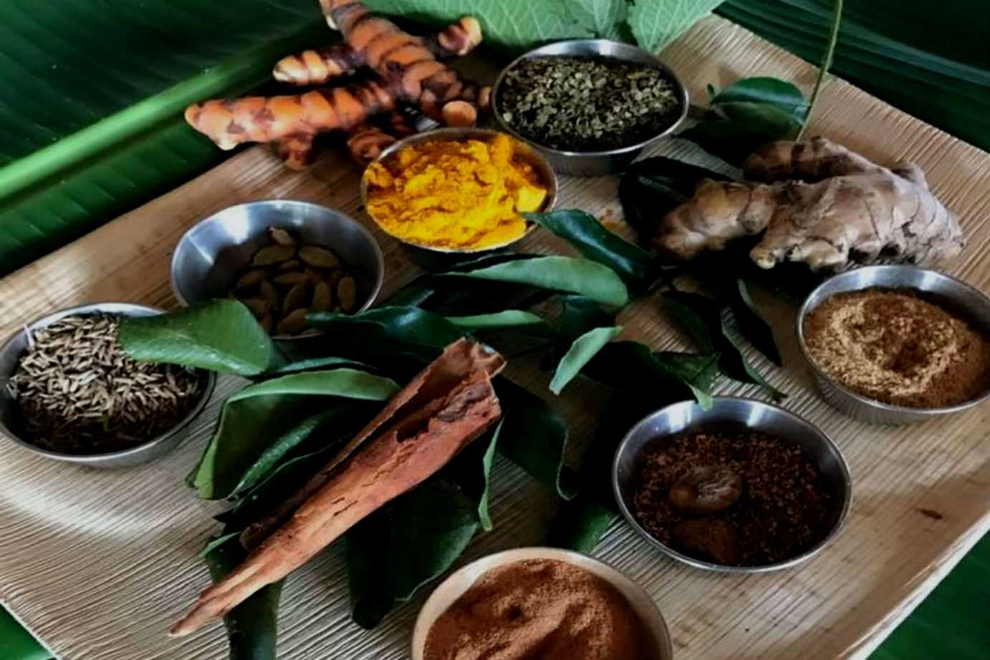
Why Caribbean Spices Matter So Much
Caribbean cooking is built on flavor, and Caribbean spices are the reason so many dishes taste bold and satisfying. Spices are not a “nice to have.” They are the starting point. Many island recipes begin with seasoning, then everything else builds from there.
Part of this goes back to history. Before modern refrigeration, people had to be smart about how they stored food and how they made it taste good for more than one meal. Spices, herbs, citrus, and peppers helped with both. Over time, those methods became traditions. Families passed them down, and each island developed its own style.
That’s why Caribbean food feels so personal. Two people can cook the same dish, but it might taste a little different depending on how they season it. One cook might like more thyme. Another might add extra garlic. Someone else may use a whole Scotch bonnet pepper for flavor, then remove it before serving.
Caribbean spices do more than add taste
Spices are doing a lot of work in Caribbean food. They help create balance, depth, and that “I want another bite” feeling.
Here’s what Caribbean spices bring to the table:
- Balance across flavors: Caribbean food often blends sweet, salty, spicy, and tangy notes in one dish. Spices help those flavors work together instead of competing.
- Depth that builds over time: Many Caribbean meals simmer, braise, or cook low and slow. Spices hold up through long cooking and make the final dish taste fuller.
- Comfort and richness: Warm spices like allspice, nutmeg, cinnamon, and cloves can make stews and sauces feel hearty and satisfying.
- A connection to culture: Spice blends and seasoning habits often come from family recipes, island history, and community traditions.
- A way to make simple ingredients shine: Beans, rice, root vegetables, and fresh fish can taste incredible when the seasoning is right.
- A signature “island” aroma: Caribbean spices often hit you before you even eat. That smell is a big part of the experience.
The “layering” secret behind island cooking
One reason Caribbean food tastes so good is that seasoning usually happens in layers. Instead of tossing spice on at the end, cooks build flavor in stages. A simple example might look like this:
- Start with a base: Garlic, onion, scallion, thyme, and peppers form the backbone of many dishes.
- Add warmth and depth: Allspice, ginger, cinnamon, curry powder, or nutmeg bring complexity.
- Finish with brightness: Lime, sour orange, vinegar, or fresh herbs wake everything up right before serving.
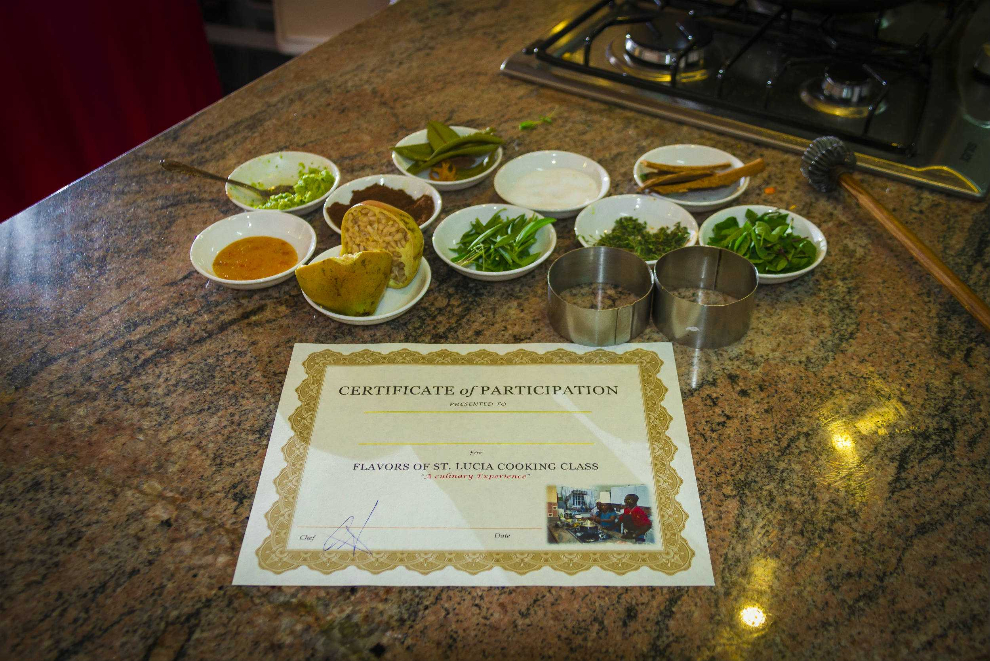
That layering is why Caribbean food can taste bold without tasting one note or overly salty.
Why it feels personal (and why that matters to travelers)
Food in the Caribbean is not just about eating. It is about people. Spices show up in everyday life, family gatherings, and celebrations. The way someone seasons their food often reflects where they grew up, who taught them, and what their household loves.
That personal touch is also why trying local food while traveling can feel so meaningful. When you taste dishes made with Caribbean spices, you are getting more than flavor. You are getting a glimpse of daily island culture.
Questions readers often ask about why spices matter
Do Caribbean spices always mean spicy food?
No. Heat is part of Caribbean cooking, but it is not the whole story. Many Caribbean spices focus on warmth, aroma, and depth instead of heat.
Examples of non spicy Caribbean flavor builders include:
- Allspice
- Nutmeg
- Cinnamon
- Thyme
- Ginger
- Cloves
Even when peppers are used, cooks often control the heat by using small amounts, removing seeds, or adding the pepper whole and taking it out later.
Why do Caribbean dishes taste so rich even when the ingredients are simple?
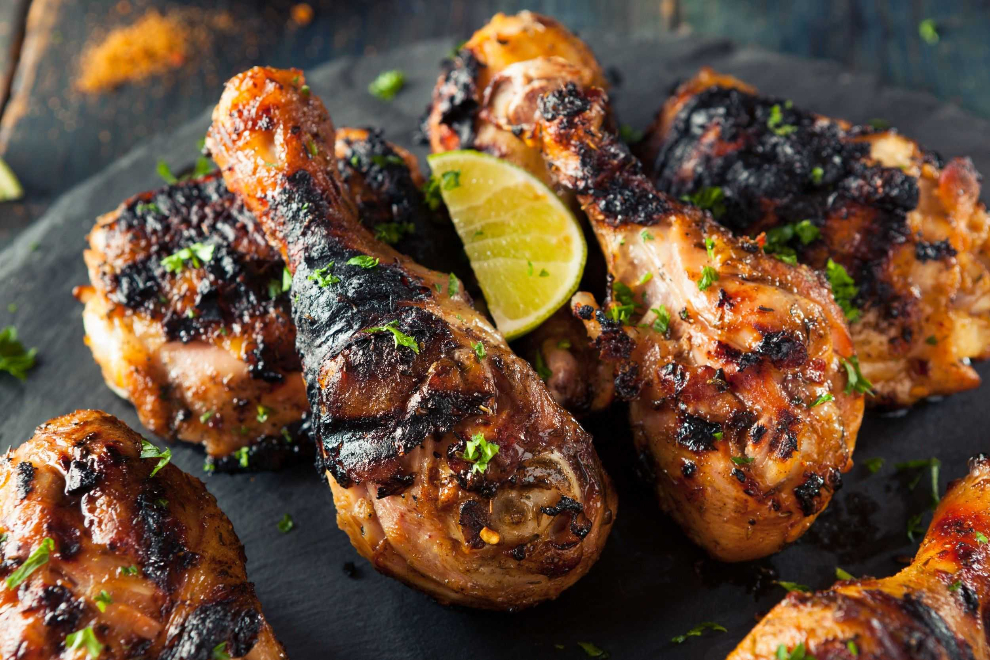
Seasoning technique is the big reason. Caribbean cooks build flavor early and keep building it as the dish cooks. A pot of beans, a simple stew, or grilled chicken can taste “restaurant level” when the spices are layered well.
Three common reasons it tastes richer:
- The dish is seasoned before cooking, not just after
- Spices simmer and blend into sauces and broths
- Citrus, vinegar, and herbs add contrast so flavors feel brighter
Are Caribbean spices used the same way on every island?
Not exactly. There is overlap, but each island has its own style.
For example:
- Jamaica is known for jerk flavors and strong use of allspice and Scotch bonnet.
- Trinidad and Tobago often use green seasoning and curry influences.
- Grenada is famous for nutmeg and warm spice notes in both savory food and drinks.
Even within the same island, families may have their own signature blend.
How do spices connect to Caribbean history?
Caribbean food reflects a mix of cultures, and spices are part of that story. Indigenous ingredients, African cooking traditions, European trade, and later Indian and Asian influences all shaped the way people season food today.
That is why Caribbean spices often appear in combinations that feel unexpected but work beautifully, like warm spices in savory stews or peppers paired with citrus and sweetness.
What is the easiest way to taste “real” Caribbean flavor while traveling?
Look for meals where seasoning is part of the cooking process, not just a sauce added at the end. Local spots, markets, and guided food experiences often showcase Caribbean spices in the most authentic way.
A few signs you are in the right place:
- You smell spices before you see the food
- The menu includes stewed dishes, grilled meats, or curry plates
- Hot sauce is served alongside, not poured on top automatically
- Locals are eating there too
Where Caribbean Spices Come From
The Caribbean has a long and complex history, and its spices tell that story. Indigenous people used local peppers and herbs long before colonization. Enslaved Africans brought cooking techniques and flavor preferences that remain central today. Later, immigrants from India, China, and the Middle East added new spices and methods.
These influences blended over generations. Instead of replacing one another, they worked together. Caribbean spices reflect this mix, combining heat, warmth, and freshness in a way that feels natural.
Many Caribbean recipes do not rely on written instructions. They rely on memory, taste, and tradition. That is why the same dish can taste different from one island to the next, or even from one home to another.

What Are Caribbean Spices?
A Clear Look at What Are Caribbean Spices
So, what are Caribbean spices exactly? Caribbean spices include a mix of local island ingredients and imported spices that have become part of daily cooking. Some are used fresh, others dried or ground. Many are combined into blends that form the base of popular dishes.
Rather than using one spice at a time, Caribbean cooking layers flavors. A dish may include heat from peppers, warmth from spices like cinnamon, and freshness from herbs like thyme.
Caribbean spices are often used:
- In marinades that soak into meat
- At the start of cooking to build flavor
- At the end of cooking to add brightness
This approach creates food that tastes full and well rounded, not overly spicy or heavy.
Common Caribbean Spices You Will See Often
While each island has its own favorites, some Caribbean spices show up across the region. These spices form the backbone of island cooking.
Allspice
Allspice is one of the most well known Caribbean spices. Despite its name, it comes from one berry. Its flavor hints at cinnamon, nutmeg, and cloves all at once.
Allspice is often used in:
- Jerk seasoning
- Stews and soups
- Marinades for meat and fish
Many cooks prefer to crush allspice berries fresh for the strongest flavor.
Scotch Bonnet Peppers
Scotch bonnet peppers are famous for their heat, but they also bring sweetness and fruitiness. When used carefully, they add flavor without overpowering a dish.
Scotch bonnet peppers appear in:
- Pepper sauces
- Stewed meats
- Rice and bean dishes
Some recipes call for adding the pepper whole, then removing it before serving to control heat.
Thyme
Fresh thyme is one of the most used herbs in Caribbean cooking. It adds an earthy taste that balances spicy and savory flavors.
Thyme works well in:
- Soups and broths
- Chicken and goat dishes
- Vegetable stews
It is usually added early so its flavor can fully develop.
Cinnamon
Cinnamon adds warmth and a slight sweetness. In Caribbean cooking, it is not limited to desserts.
Cinnamon is often used in:
- Rice dishes
- Braised meats
- Coconut based recipes
It pairs well with other warm spices and rich sauces.
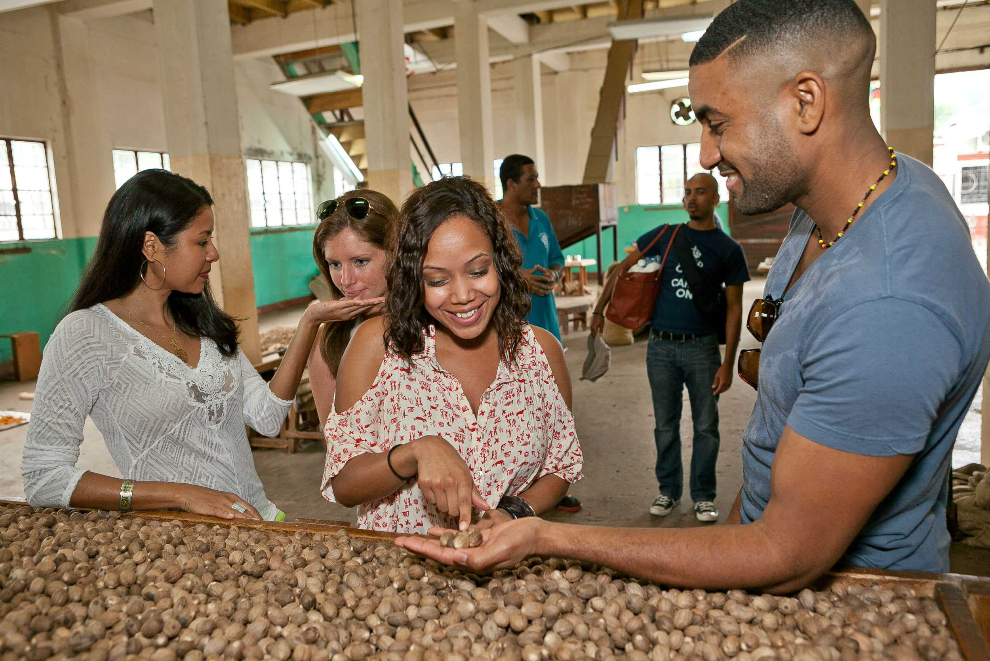
Nutmeg
Nutmeg has strong ties to Caribbean cooking, especially on islands where it is grown. Freshly grated nutmeg adds a warm, slightly sweet flavor.
Nutmeg is common in:
- Creamy sauces
- Baked goods
- Holiday drinks
A little goes a long way, which is why it is used sparingly.
Popular Caribbean Spice Blends
Many Caribbean spices are combined into blends that serve as the base for cooking. These blends vary by island and household.
Jerk Seasoning
Jerk seasoning is one of the most recognizable Caribbean spice blends. It combines heat, warmth, and savory flavors in a balanced way.
Common ingredients include:
- Allspice
- Scotch bonnet peppers
- Thyme
- Garlic
- Ginger
- Cinnamon
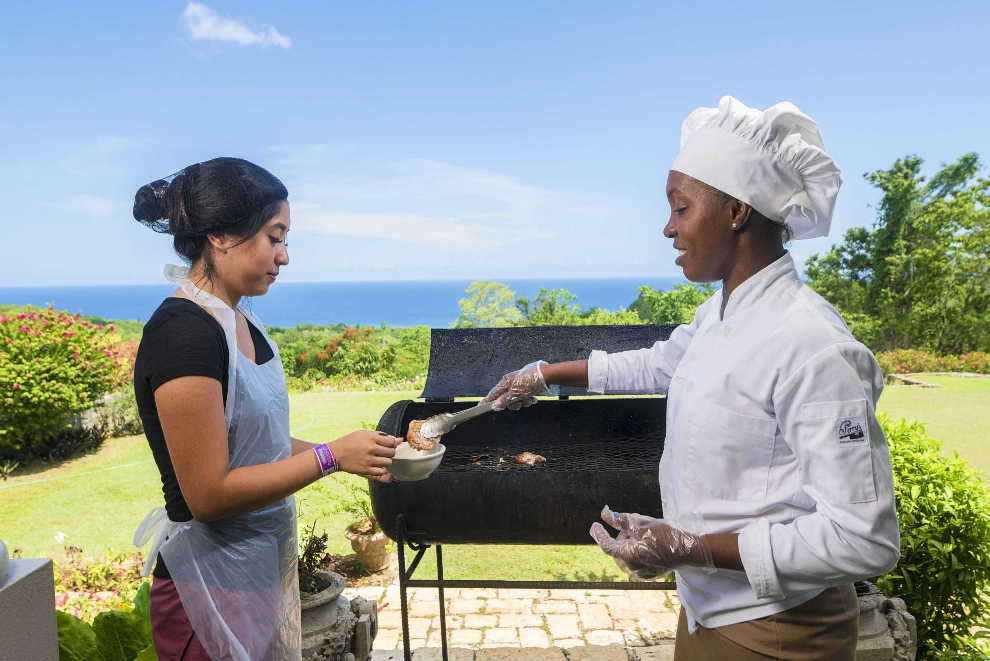
Jerk seasoning is used on chicken, pork, fish, and vegetables, often cooked over open flames or slow heat.
Green Seasoning
Green seasoning is popular in several islands and is made from fresh herbs and vegetables. It is blended into a paste and used as a marinade.
Green seasoning often includes:
- Thyme
- Green onions
- Garlic
- Cilantro
- Hot peppers
This blend adds freshness and depth to meats and soups.
Caribbean Curry
Caribbean curry blends are different from Indian curry, even though they share some ingredients. Caribbean curry is often milder and warmer.
It is commonly used in:
- Chicken curry
- Goat curry
- Vegetable dishes
Each island has its own version, shaped by local tastes.
How Caribbean Spices Shape Daily Meals
Caribbean spices are not saved for special events. They are part of everyday cooking. Breakfast might include cinnamon spiced porridge. Lunch could feature thyme seasoned fish. Dinner often brings layered spice blends in stews or grilled meats.
Spices also influence cooking methods:
- Meats are marinated for hours to absorb flavor
- Dishes are slow cooked so spices blend together
- Fresh herbs are added at the end for brightness
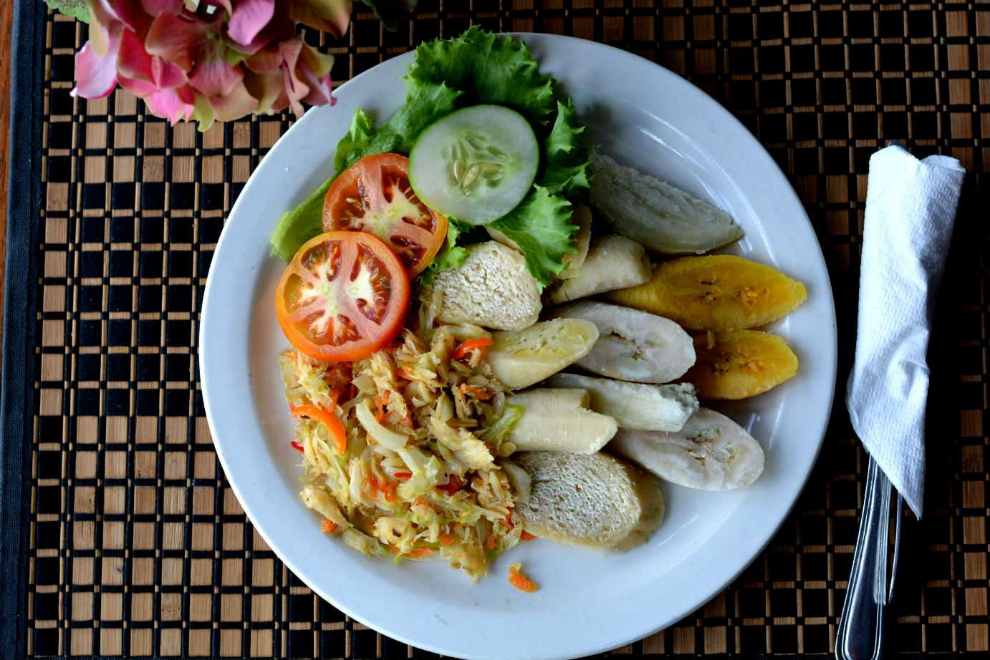
This process makes even simple meals feel rich and comforting.
Caribbean Spices and Travel Experiences
For many travelers, food is one of the most memorable parts of a Caribbean trip. Caribbean spices play a big role in that memory. They offer a direct connection to island culture and daily life.
Tasting local food helps travelers:
- Learn about island traditions
- Connect with local communities
- Experience culture beyond the resort
Markets, roadside stands, and home style meals often showcase spices in their most authentic form.

Using Caribbean Spices at Home
You do not need to visit the islands to enjoy Caribbean spices. Many are easy to find and simple to use in your own kitchen.
Here are a few tips:
- Start with small amounts of hot peppers
- Use fresh herbs when possible
- Buy whole spices and grind them fresh
- Balance spices with citrus or vinegar
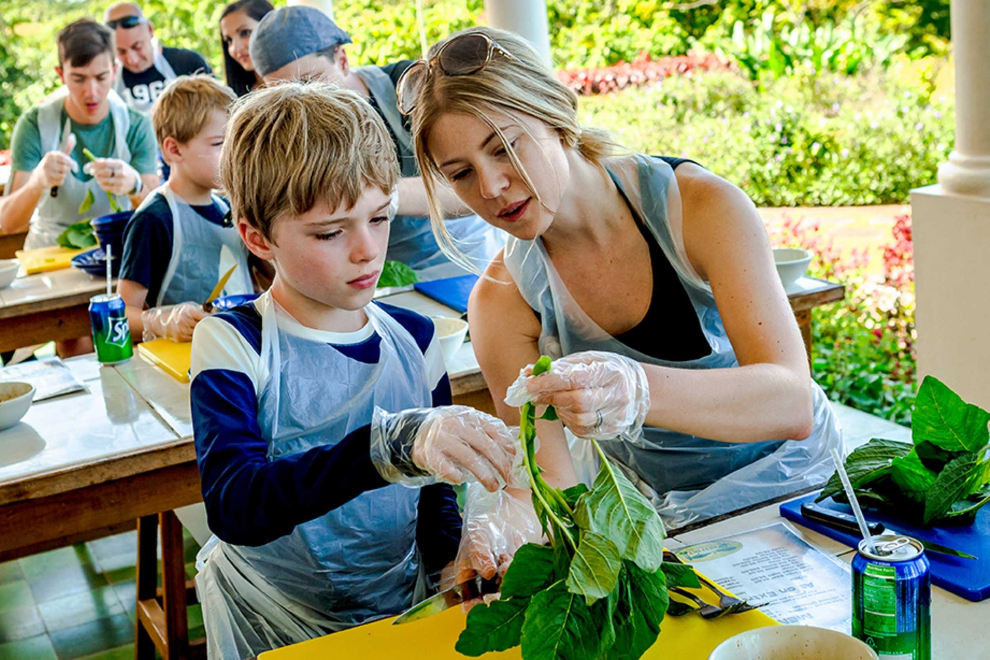
Caribbean cooking is flexible. Taste as you go and adjust based on what you enjoy.
Frequently Asked Questions About Caribbean Spices
What are Caribbean spices made from?
Caribbean spices come from peppers, herbs, seeds, bark, and roots. Some are native to the islands, while others arrived through trade and migration. Together, they form the base of many traditional dishes.
Are Caribbean spices always spicy?
No. While some Caribbean spices add heat, many focus on warmth, sweetness, or earthiness. Cinnamon, nutmeg, thyme, and allspice add flavor without making dishes too hot.
What are Caribbean spices used for most often?
Caribbean spices are used in marinades, stews, soups, grilled meats, rice dishes, sauces, and even desserts. They are often added early in cooking so flavors can fully develop.
How do Caribbean spices change from island to island?
Each island has its own spice preferences. Some focus more on heat, others on herbs or warm spices. These differences reflect local history, climate, and culture.
Can Caribbean spices be substituted?
Some substitutions are possible, but flavor will change. Using authentic Caribbean spices gives the most accurate taste, especially for traditional dishes.
Why Caribbean Spices Define Island Cooking
Caribbean spices are more than ingredients. They are part of island identity, history, and everyday life. From the warmth of cinnamon to the bold kick of Scotch bonnet peppers, these flavors shape how food is cooked and shared.
Learning about Caribbean spices helps you appreciate island cooking on a deeper level. Whether you are tasting these flavors at home or during your travels, spices tell the story of the Caribbean one dish at a time.
If you want to experience Caribbean spices where they truly come alive, exploring the islands with local insight makes all the difference. Contact us for more information about curated island experiences that bring you closer to Caribbean food, culture, and community.