

Jamaican Wildlife
Native Species, Marine Life, and Natural Wonders of the Island
Jamaican wildlife is one of the island’s most exciting and meaningful parts of the travel experience. Jamaica is known for its beaches and music, but its animals, birds, and marine life tell a deeper story about the island’s natural history. From colorful birds in the mountains to sea turtles along the coast, Jamaican wildlife shows just how rich and diverse this island really is.
If you enjoy nature, photography, or learning about the places you visit, exploring wildlife in Jamaica adds something special to your trip.
This guide breaks down the native species, ocean life, and ecosystems that make Jamaica such a fascinating destination.
Why Jamaican Wildlife Is So Unique
Jamaican wildlife stands out because Jamaica is its own natural “world” in the Caribbean. The island rose up from the sea long ago and spent millions of years developing on its own. Since it was not connected to bigger land masses, many plants and animals had to adapt to Jamaica’s exact conditions. Over time, that led to species you cannot find anywhere else.
Think of it like this: when a place is isolated, nature gets creative. Animals and plants change little by little to match the food, weather, terrain, and predators around them. That is one of the biggest reasons Jamaican wildlife feels so distinct when you compare it to other islands.
Jamaica Has Many Ecosystems in a Small Space
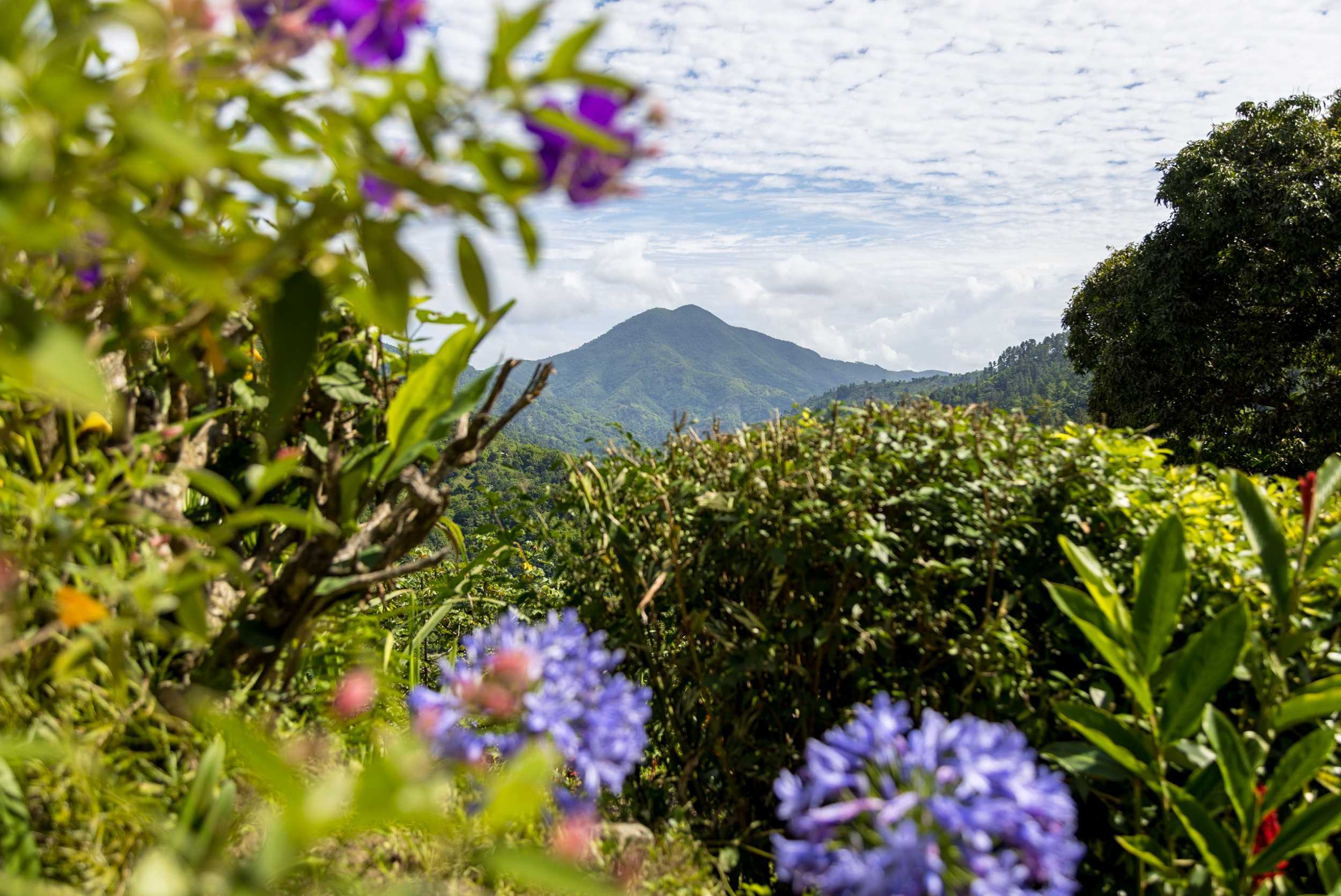
One reason Jamaican wildlife is so interesting is that you can move through completely different habitats in a short drive. Each habitat supports different species.
Main ecosystems found across Jamaica
- Mountain forests and cool high elevation zones like the Blue Mountains
- Rainforest pockets with thick vegetation and steady moisture
- Rivers and freshwater streams that run from the hills to the sea
- Wetlands and mangroves where birds, fish, and reptiles thrive
- Dry coastal areas with hardy plants and lizards that love the heat
- Coral reefs and seagrass beds that support marine life close to shore
Why biodiversity feels so rich here
Because these ecosystems are packed into one island, Jamaica can support a wider range of species than you might expect. Warm weather supports life year round, while seasonal rain helps forests, rivers, and wetlands stay active and productive.
Warm Weather Supports Life Year Round
Jamaica’s tropical climate helps wildlife stay active across the seasons. Many animals do not need to hibernate or shut down for winter. Plants can grow for much of the year too, which creates shelter and food for birds, insects, reptiles, and mammals.
What steady warmth supports
- Longer breeding seasons for birds and reptiles
- More consistent food sources like fruit, nectar, and insects
- More chances to spot wildlife during outdoor activities
How seasonal rain helps
- Filling rivers and waterfalls that create freshwater habitats
- Supporting dense plant growth that provides cover and nesting areas
- Boosting insect populations that feed many bird species
- Refreshing wetlands and mangrove zones that protect young fish and birds
Isolation Created Endemic Species
Because Jamaica developed separately, it produced endemic species, meaning species that exist only in Jamaica. These species are often more sensitive to changes in habitat, since they cannot simply move somewhere else. If their environment is damaged, they have nowhere to go.
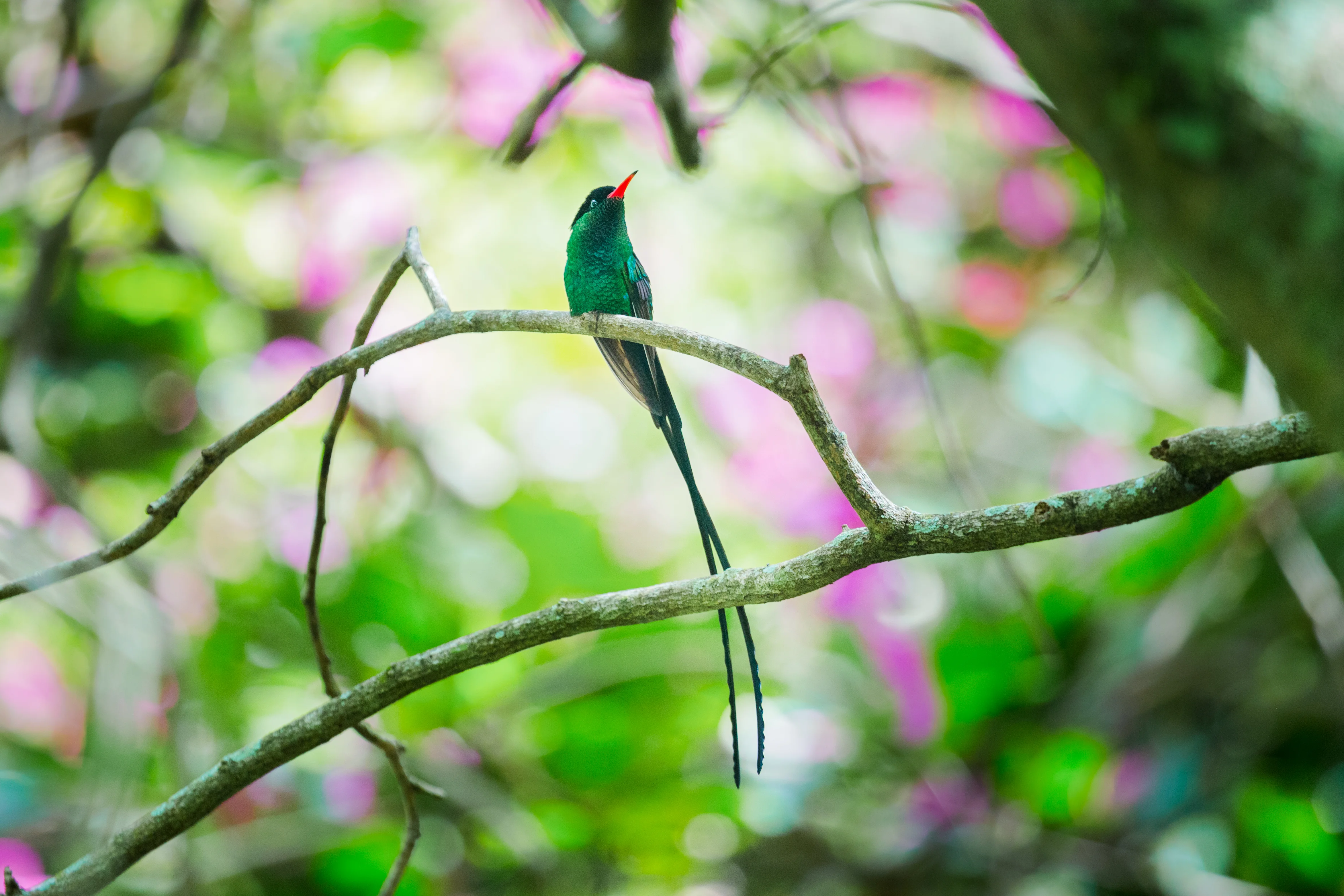
Endemic species are a major part of Jamaican wildlife, especially among:
- Birds, many of which are unique to the island
- Reptiles, including rare lizards
- Amphibians and certain insects
- Plants that only grow in specific Jamaican regions
Why Conservation Matters So Much Here
When a species only exists in one place, protecting that place becomes urgent. Habitat loss, pollution, invasive species, and climate change can all put pressure on wildlife. The good news is that Jamaica has protected areas and local conservation efforts that help preserve key habitats.
- Protects nesting and feeding areas for birds
- Keeps waters cleaner for marine life and coral reefs
- Maintains forests that prevent erosion and protect rivers
- Supports local communities that depend on healthy ecosystems
- Birds with colors and behaviors you do not see on other islands
- Lush mountain zones that feel totally different from the coast
- Rivers, wetlands, and reefs all within reach of popular towns
- A strong connection between nature, local life, and guiding traditions
Quick Takeaways
- Jamaican wildlife is shaped by long-term isolation, which led to endemic species.
- Jamaica packs multiple ecosystems into one island, which supports rich biodiversity.
- Warm weather and seasonal rain keep habitats active and productive year round.
- Conservation matters because many species live only in Jamaica and cannot relocate.
Questions Readers Often Ask
-
What does “endemic” mean when talking about Jamaican wildlife?
It means a plant or animal naturally exists only in Jamaica and nowhere else in the world. That is why endemic species are so important to protect. -
Why does isolation lead to unique species?
When animals and plants are separated from other regions for a long time, they adapt to local conditions. Over many generations, those changes can create species that are distinct from their relatives elsewhere. -
Does Jamaica have different wildlife in the mountains compared to the coast?
Yes. Higher elevations are cooler and often wetter, which supports different birds, plants, and forest species. Coastal areas and reefs support marine life and animals that handle heat and salt better. -
What time of year is best for wildlife in Jamaica?
You can see wildlife year round, but rainy seasons often bring more activity in forests and rivers. Coastal and marine encounters can be great throughout the year, depending on conditions. -
How can visitors help protect Jamaican wildlife while traveling?
Simple choices matter. Stick to trails, avoid touching coral or feeding animals, use reef-safe sunscreen when possible, and choose guided experiences that respect wildlife and habitats.
Native Land Animals Found in Jamaica
Jamaica’s Limited Mammals
Jamaica does not have many native land mammals, which surprises some visitors. The most well known is the Jamaican hutia, a large rodent that looks similar to a guinea pig. For many years, people believed it was extinct. It was later rediscovered in remote forest areas.
Other mammals you might hear about or see include:
- Jamaican fruit bats, which help spread seeds and pollinate plants
- Mongooses, which were introduced and are not native
- Wild boar in certain rural areas
Even though mammals are limited, reptiles, birds, and amphibians make Jamaican wildlife incredibly diverse.
Reptiles and Amphibians of the Island
Reptiles play a big role in Jamaican wildlife. Many live in forests, near rivers, or along the coast.
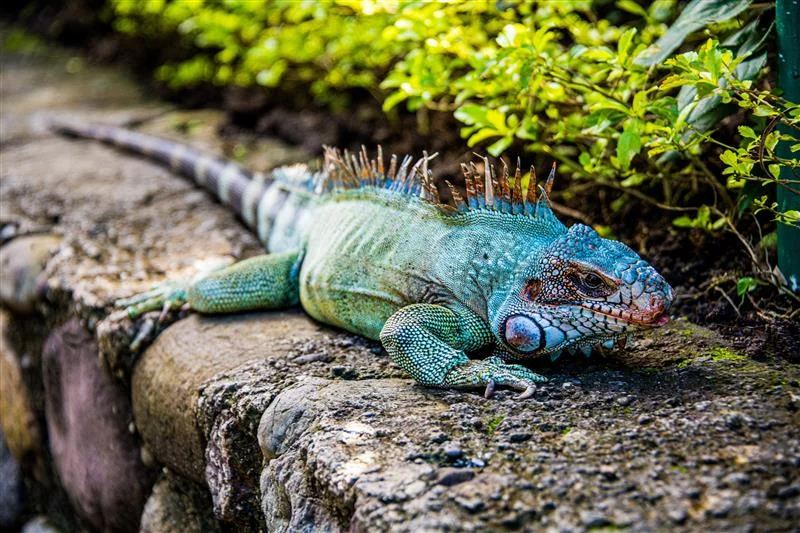
Common reptiles include:
- The Jamaican iguana, one of the rarest lizards in the world
- Anole lizards that change color to blend into their surroundings
- The Jamaican boa, a non-venomous snake
- Freshwater turtles found in ponds and rivers
Frogs are also common, especially after rainfall. At night, their calls fill the air in rural and forested areas, creating a sound many visitors remember long after their trip.
Birdlife and Wildlife in Jamaica’s Forests
Wildlife in Jamaica’s Mountains and Bird Areas
Birdwatchers love Jamaica for good reason. The island is home to more than 300 bird species, many of which cannot be found anywhere else.
Some of the most popular birds include:
- The doctor bird, Jamaica’s national bird and a type of hummingbird
- The Jamaican tody, small, bright, and full of personality
- Streamertail hummingbirds, often seen in gardens and forests
- Jamaican blackbirds that live in wooded areas
Places like the Blue and John Crow Mountains, Cockpit Country, and protected forest reserves offer excellent chances to see wildlife in Jamaica up close. Guided nature walks help visitors spot birds while learning about their habits and habitats.
Marine Life and Ocean Wildlife in Jamaica
Coral Reefs and Tropical Fish
Jamaican wildlife extends far beyond land. The waters surrounding the island are full of life, thanks to coral reefs that support entire marine ecosystems.
When snorkeling or taking a boat tour, you may see:
- Parrotfish and angelfish swimming through coral
- Bright sea fans and sponges
- Crabs and lobsters tucked into reef spaces
- Stingrays gliding over sandy areas
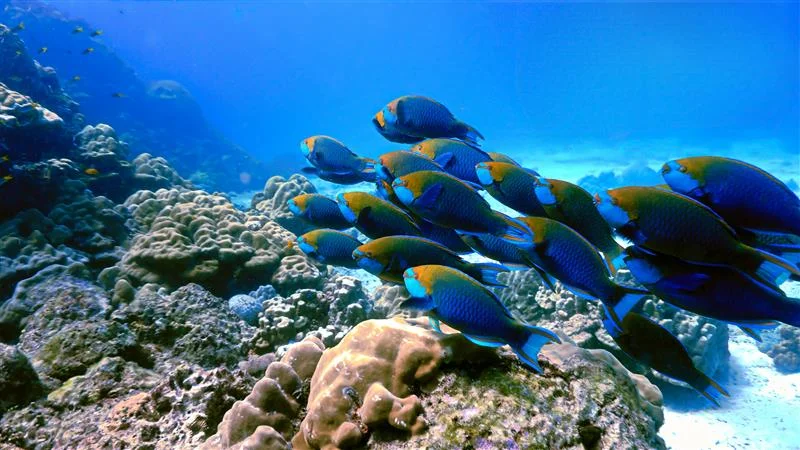
Coral reefs protect Jamaica’s coastline and support fishing communities. Keeping them healthy is important for both wildlife and people.
Sea Turtles, Dolphins, and Whales
Larger marine animals are another highlight of Jamaican wildlife. Sea turtles migrate through Jamaican waters and nest on certain beaches each year.
Common turtle species include:
- Green sea turtles
- Hawksbill turtles
- Loggerhead turtles
Dolphins are often spotted offshore, especially during boat excursions. At certain times of the year, humpback whales pass near Jamaica as they migrate, offering rare and memorable sightings.
Responsible tours focus on watching wildlife without disturbing it, which helps protect these animals for the future.
Wetlands, Rivers, and Coastal Wildlife
Wetlands and rivers are some of the most important ecosystems for wildlife in Jamaica. These areas support birds, fish, reptiles, and plants that depend on shallow water and mangrove systems.
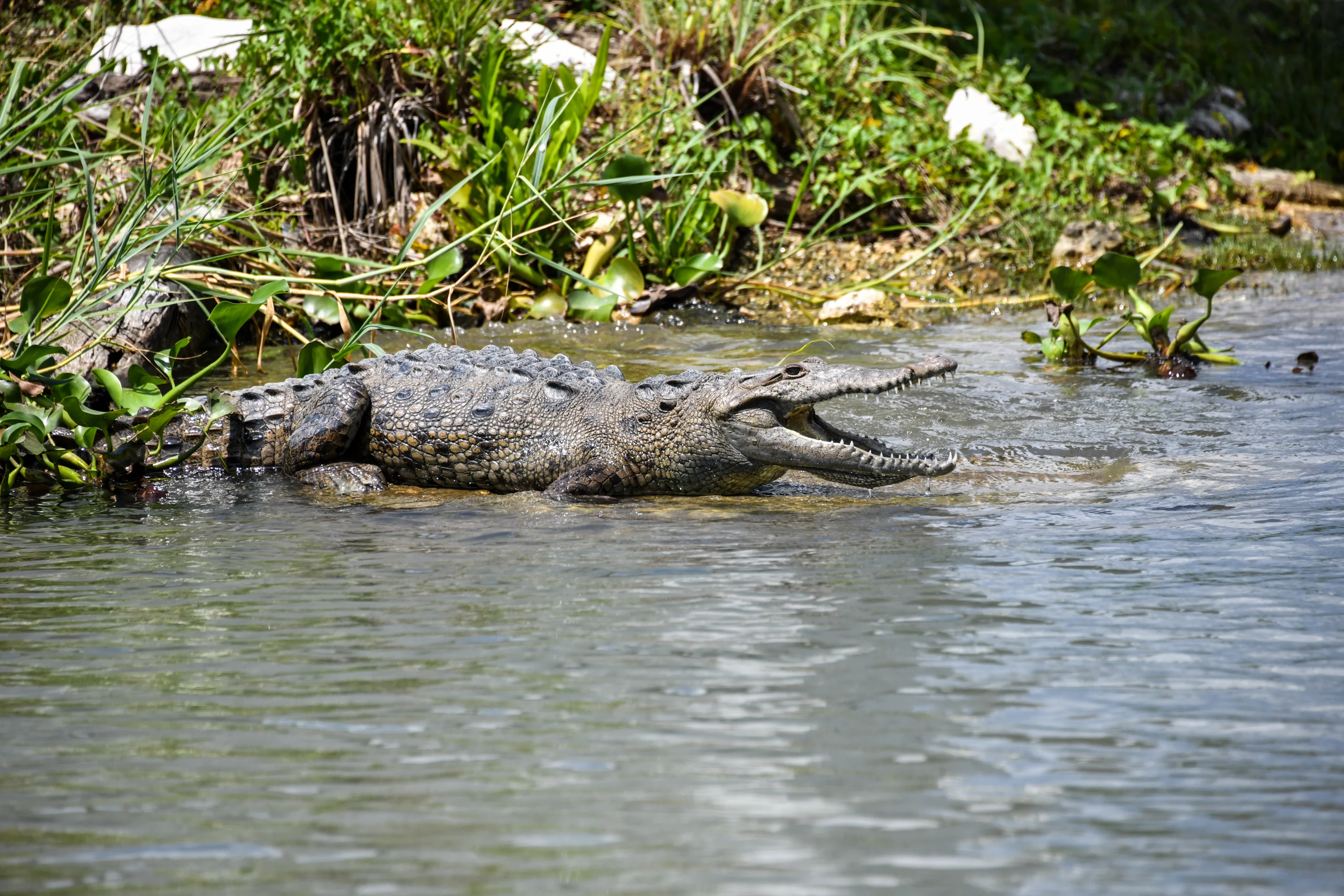
In places like the Black River region, visitors may see:
- Crocodiles resting along riverbanks
- Herons and egrets wading through shallow water
- Pelicans diving for fish
- Manatees in calm, protected areas
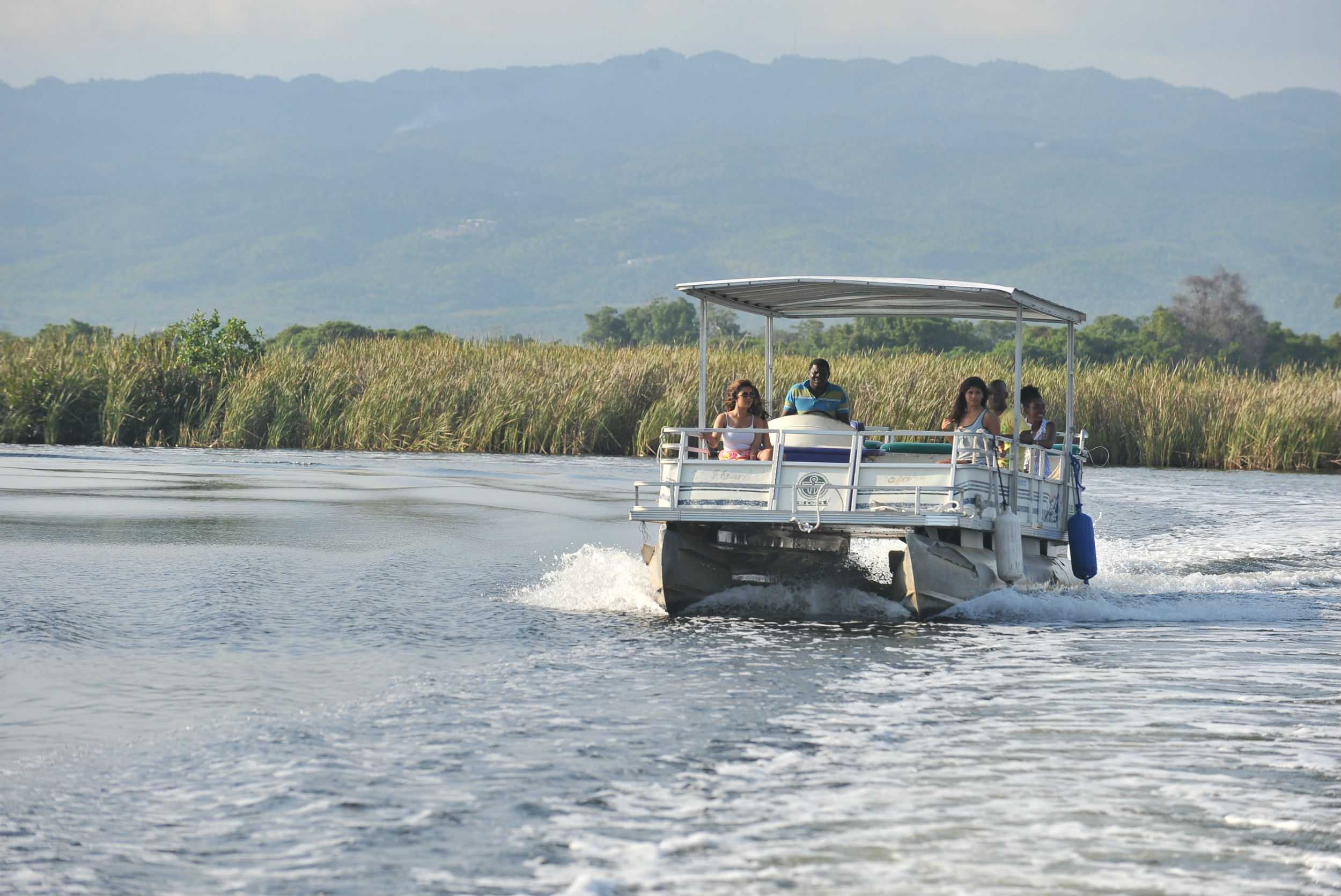
River safaris and guided boat tours make it possible to explore these ecosystems safely while learning why they matter to the island.
How Jamaican Wildlife Connects to Local Life
Nature and culture are closely connected in Jamaica. Animals appear in local stories, music, and traditions, especially birds and marine life. Many communities depend on natural resources for their way of life.
Jamaican wildlife supports:
- Fishing and farming
- Eco-focused tourism
- Local guiding and education
- Traditional knowledge passed down through generations
Island Routes partners with local guides who share these connections, turning wildlife experiences into meaningful moments that go beyond simple sightseeing.
Responsible Ways to Experience Wildlife in Jamaica
Travelers play an important role in protecting Jamaican wildlife. Choosing responsible experiences helps preserve the island for future visitors and locals alike.
When exploring wildlife in Jamaica, remember to:
- Book tours led by trained local guides
- Keep a safe distance from animals
- Avoid touching coral or marine life
- Stay on marked paths in forests
- Follow instructions during snorkeling and boating tours
Small choices can make a big difference when it comes to protecting Jamaica’s ecosystems.
Frequently Asked Questions About Jamaican Wildlife
-
What makes Jamaican wildlife special?
Jamaican wildlife includes many species found only on this island. Its long isolation allowed birds, reptiles, and amphibians to develop in unique ways that you cannot see anywhere else. -
Is wildlife in Jamaica safe to experience?
Yes, wildlife in Jamaica is safe to experience when you follow local guidance. Guided tours are the best way to enjoy animals while respecting their space and safety. -
Where can I see the most wildlife in Jamaica?
The Blue Mountains, Cockpit Country, Black River wetlands, and coral reef areas are some of the best places to see Jamaican wildlife. -
Can cruise guests and resort visitors see wildlife in Jamaica?
Yes. Many wildlife tours are designed for cruise passengers and resort guests, making it easy to explore nature without giving up comfort or convenience. -
Are marine wildlife experiences beginner friendly?
Yes. Snorkeling trips and calm water boat tours are great for beginners and are led by experienced guides who focus on safety and education.
Experience Jamaican Wildlife With Island Routes
Jamaican wildlife offers more than just beautiful sights. It creates real connections to the
island’s land, sea, and people. From birds in the mountains to turtles in the ocean, these
encounters stay with you long after your trip ends.
Island Routes offers guided and private experiences that help you explore wildlife in Jamaica in a
thoughtful and memorable way. If you are ready to add nature and discovery to your journey, explore
our Jamaica experiences or contact us for more information.