

Snorkeling in Antigua:
Reefs, Marine Life, and What Makes a Great Ocean Excursion
If you’re planning a Caribbean trip and want to spend time in the water, snorkeling in Antigua is one of the best ways to experience the island. It’s easy to get started, the water is warm, and there’s a lot to see just below the surface.
What really makes it special isn’t just the reefs or the fish: it’s how smooth and enjoyable the whole experience can be when it’s planned well. From boat rides to guided stops, everything is set up so you can relax and focus on the fun.
In this guide, you’ll learn where to go, what you’ll see, and how to choose the right snorkeling experience for your trip.
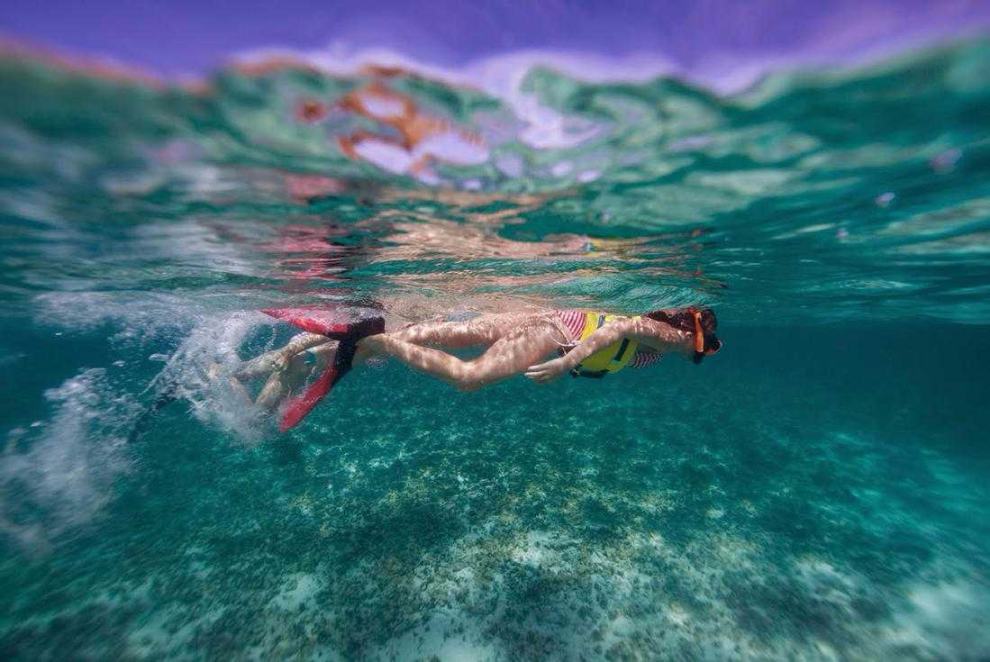
Why Snorkeling in Antigua Is Worth It
There are many places to snorkel in the Caribbean, but snorkeling in Antigua stands out for how easy, comfortable, and rewarding the experience feels. Whether it’s your first time or something you’ve done before, Antigua offers conditions that make getting in the water simple and enjoyable. Travelers planning their itinerary can also explore Caribbean snorkeling and ocean adventures for more ideas on what to experience during their trip.
What Makes Snorkeling in Antigua So Appealing
Here are a few key reasons travelers love it:
- Calm water in many areas: Makes it easier to float, relax, and focus on what you’re seeing, and is especially helpful for beginners
- Warm temperatures year-round (78–84°F): Comfortable water means you can stay in longer without feeling cold
- Clear visibility: Especially along the west and south coasts, making it easier to see reefs and marine life
- Short boat rides to snorkeling spots: Less travel time, more time in the water
- A variety of reef environments: Coral gardens, sandy areas, and rocky sections, so each stop feels a little different
All of this comes together to create an experience that feels smooth, well-paced, and easy to enjoy.
Beginner-Friendly and Easy to Enjoy
One of the biggest advantages of snorkeling in Antigua is how accessible it is. You don’t need to be an expert swimmer or have prior experience.
Most snorkeling spots offer:
- Shallow entry points
- Calm conditions
- Guided support if needed
Many tours are designed specifically with beginners in mind, which helps take the pressure off and lets you enjoy the moment.
What You’ll Notice Right Away
Once you’re in the water, a few things stand out quickly:
- You can see clearly below the surface, often without diving down
- Marine life is active even in shallow areas
- The water feels comfortable and easy to stay in
- Each location offers a slightly different underwater view
It’s not just one quick look: it’s a series of small moments that add up to a memorable experience.
Why It’s Worth Adding to Your Trip
At its core, snorkeling in Antigua works because it balances adventure with comfort. It’s active without feeling overwhelming and relaxing without being boring.
It’s a great fit for:
- Couples looking for a shared experience
- Families introducing kids to ocean activities
- Travelers who want something more than just beach time
With warm water, clear views, and easy access to multiple reef locations, it’s an experience that feels simple to join and easy to enjoy from start to finish.
Top Spots for Snorkeling in Antigua
One of the best things about snorkeling in Antigua is that you do not have to settle for just one kind of ocean experience. The island has several well-known snorkeling areas, and each one offers something a little different. Some spots are great for colorful reef fish and easy swimming. Others are better for calm water, unique marine life, or a mix of sightseeing above and below the surface.
That is why many guided excursions include more than one stop in a single day. Instead of spending all your time in one place, you can experience different parts of Antigua’s coastline and see how each location has its own character. For travelers comparing Antigua snorkeling tours, this variety is a big part of what makes the island so appealing.
Below are some of the top places travelers often visit when snorkeling in Antigua, along with what makes each one worth considering.
Cades Reef
Cades Reef is one of the most popular places for snorkeling in Antigua, and for good reason. Located off the island’s southwest coast, this reef is long, lively, and full of marine activity. It is one of those spots that works well for many types of travelers because there is usually something to see, whether you are brand new to snorkeling or already comfortable in the water.
When people talk about reef snorkeling in Antigua, Cades Reef often comes up first. The reef stretches across a large area, which means different tours may stop at slightly different sections depending on water conditions and the day’s route. That also helps keep the experience interesting, especially if you have snorkeled before and want to explore more than one part of the reef. Travelers interested in reef conservation and marine ecosystems can also learn more through the National Ocean Service.
Here is what makes Cades Reef stand out:
- Long stretches of coral reef that give you plenty to explore
- Schools of colorful fish moving together through the water
- Good chances of seeing marine life like rays or sea turtles
- A popular stop on many Antigua snorkeling tours because of its size and variety
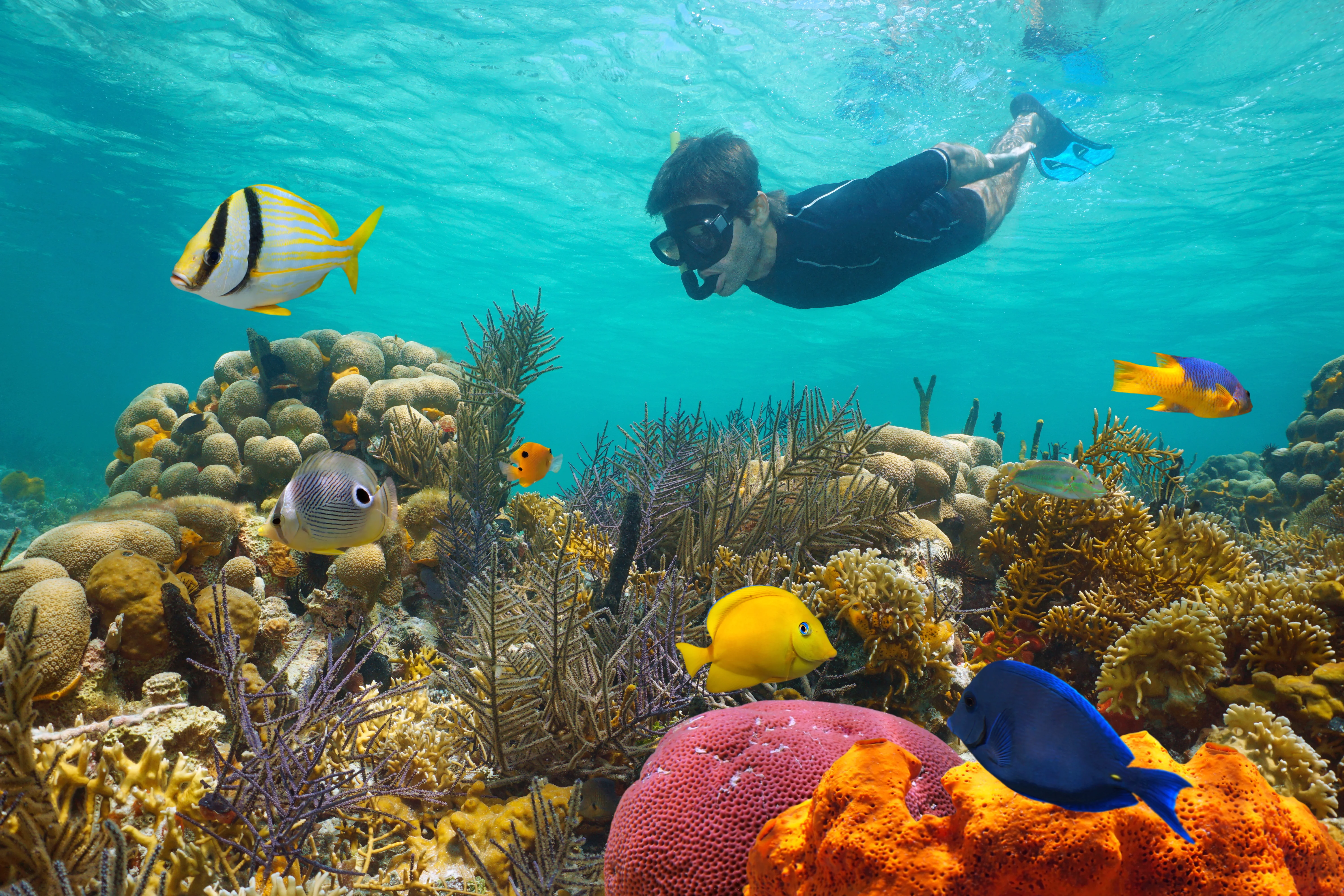
The coral formations here create shelter for many reef fish, so even a short swim can be full of movement and color. You might spot parrotfish, angelfish, sergeant majors, and other tropical fish weaving in and out of the reef. In calmer conditions, visibility can be very good, which makes it easier to take in the details below the surface.
Is Cades Reef good for beginners?
In many cases, yes. Guided tours choose areas based on the day’s weather and water conditions, which helps make the experience more comfortable for less experienced snorkelers. If you are nervous about your first reef snorkel, this is one of the places where having a guide really helps.
Stingray City (Near Seatons Village)
Stingray City offers a very different kind of ocean experience. While traditional reef snorkeling is focused on floating above coral and watching fish move through the water, Stingray City is more interactive. It is especially popular with travelers who want something memorable, easy to enjoy, and a little different from a standard snorkel stop.
Located near Seatons Village on Antigua’s northeast side, this area is known for its shallow water and close encounters with southern stingrays. The rays are used to guided visits, and the experience is carefully managed so guests can enjoy the setting safely and respectfully.
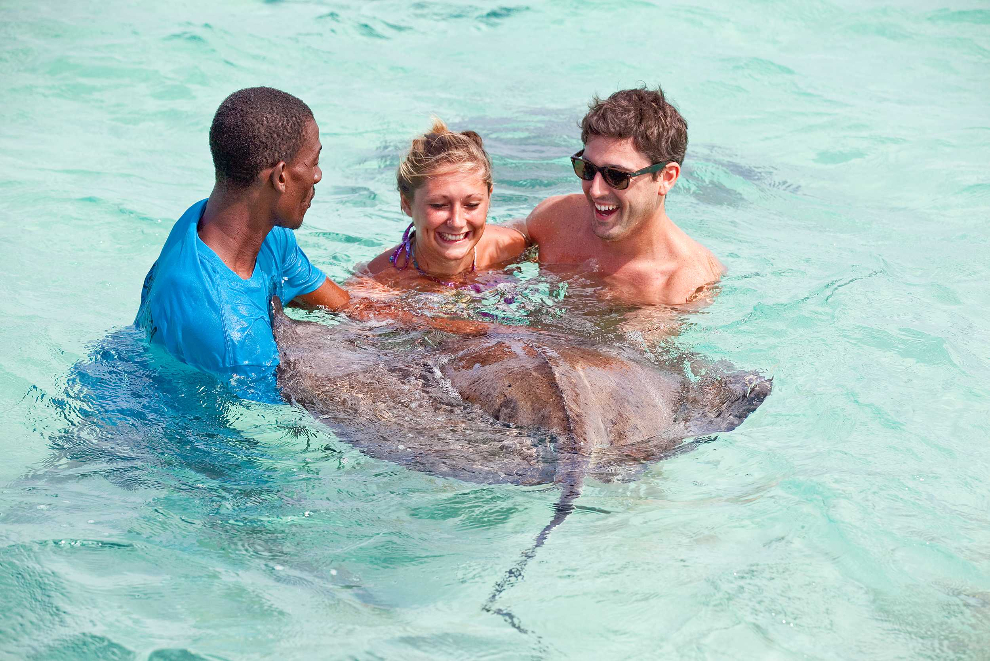
What makes Stingray City different:
- You can stand in shallow water with stingrays nearby
- Guides explain how to interact safely and calmly
- It works well for beginners and even many non-swimmers
- It is often paired with reef snorkeling on full-day excursions
Travelers interested in ocean-based sightseeing can also explore Caribbean catamaran sailing experiences.
For many travelers, this stop feels less intimidating than open-water snorkeling. Because the water is shallow, it is easier to relax and focus on the experience. Instead of worrying about swimming over a reef, you can take your time, listen to your guides, and enjoy watching the stingrays move through the water.
Are stingrays dangerous?
In a guided setting like this, the experience is designed to be safe. The guides explain exactly how to behave in the water, where to stand, and how to avoid startling the animals. As long as guests follow directions, the experience is generally calm and enjoyable.
If you are choosing between different Antigua snorkeling tours, Stingray City can be a great option if you want variety. It gives you something beyond reef viewing and adds an interactive element to the day.
Green Island
Green Island is a favorite for travelers who want a setting that feels quieter and a little more removed from the busier parts of the island. Located off Antigua’s eastern coast, this area is often included in longer catamaran sailing excursions and full-day ocean trips.
One of the things that makes Green Island special is its atmosphere. The coastline feels more open and less built-up, which gives the whole experience a more scenic and peaceful feel. For travelers who enjoy spending time on the boat as much as they enjoy being in the water, this can be an especially rewarding stop.
Here is what you can expect at Green Island:
- Beautiful coral formations close to shore
- Bright colors and different reef textures
- Fewer crowds than in more central snorkeling spots
- A setting that pairs well with catamaran sailing and longer excursions
Travelers looking for more scenic island experiences can also explore Antigua coastal sailing experiences.
The reef structures around Green Island can be visually striking, and the water often feels a bit more expansive than in sheltered bays. Depending on conditions, this area may offer a mix of shallow reef sections and slightly deeper views, giving snorkelers a broader look at Antigua’s underwater environment.
Is Green Island worth the longer excursion time?
For many people, yes. If you like the idea of turning your snorkel trip into more of a full-day outing with sailing, sightseeing, and time on the water, this area can be one of the most rewarding parts of the experience.
Green Island is often a strong choice for travelers who want more than a quick swim stop. It feels like part of a larger ocean day, which is one reason it is often included on premium or longer Antigua snorkeling tours.
Deep Bay
Deep Bay offers a snorkeling experience that combines marine life with a sense of history. Located near St. John’s, this bay is known for its calm water and the wreck of the Andes, a ship that sank in the early 1900s and now rests beneath the surface. Over time, the wreck has become part of the marine environment, attracting fish and adding another layer of interest for snorkelers.
For travelers who want more than just coral and tropical fish, Deep Bay stands out because it feels a little different from a typical reef stop. There is still plenty of sea life to enjoy, but the shipwreck gives the area a unique identity.
Highlights of Deep Bay include:
- A shipwreck that attracts fish and other marine life
- Calm water that is often easy to snorkel in
- A mix of history and underwater exploration
- Easy appeal for beginners who want a scenic, low-stress setting
Travelers interested in Antigua’s maritime history can also explore the UNESCO World Heritage Centre page for Nelson’s Dockyard.
Because the bay is sheltered, the water is often calmer than more exposed areas. That makes it a good option for travelers who want a gentler snorkeling environment. It is also a nice choice for those who may be more interested in floating, observing, and enjoying the setting rather than covering a lot of distance in the water.
Can you actually see the shipwreck while snorkeling?
In many conditions, yes, though visibility and how much you can make out will depend on the weather, light, and your comfort in the water. Even when the wreck is not fully clear from every angle, the area around it often has enough marine activity to make the stop worthwhile.
Which Spot Is Best for You?
If you are trying to decide which stop sounds most appealing, it helps to think about the kind of experience you want.
Here is a simple way to compare them:
Cades Reef:
Best for classic reef snorkeling, colorful fish, and a well-known all-around snorkeling site
Stingray City:
Best for interactive wildlife encounters, beginners, and families
Green Island:
Best for longer excursions, scenic boat rides, and a quieter setting
Deep Bay:
Best for calm water, easy snorkeling, and a mix of history and marine life
What Marine Life Will You See?
One of the best parts of snorkeling in Antigua is the variety of marine life. Even in shallow water, a lot is happening.
Here are some of the most common sightings:
- Parrotfish nibbling on coral
- Angelfish and butterflyfish swimming in pairs
- Schools of small reef fish moving together
- Sea turtles, especially near reefs
- Stingrays gliding over sandy areas
- Moray eels hiding in rocky spots
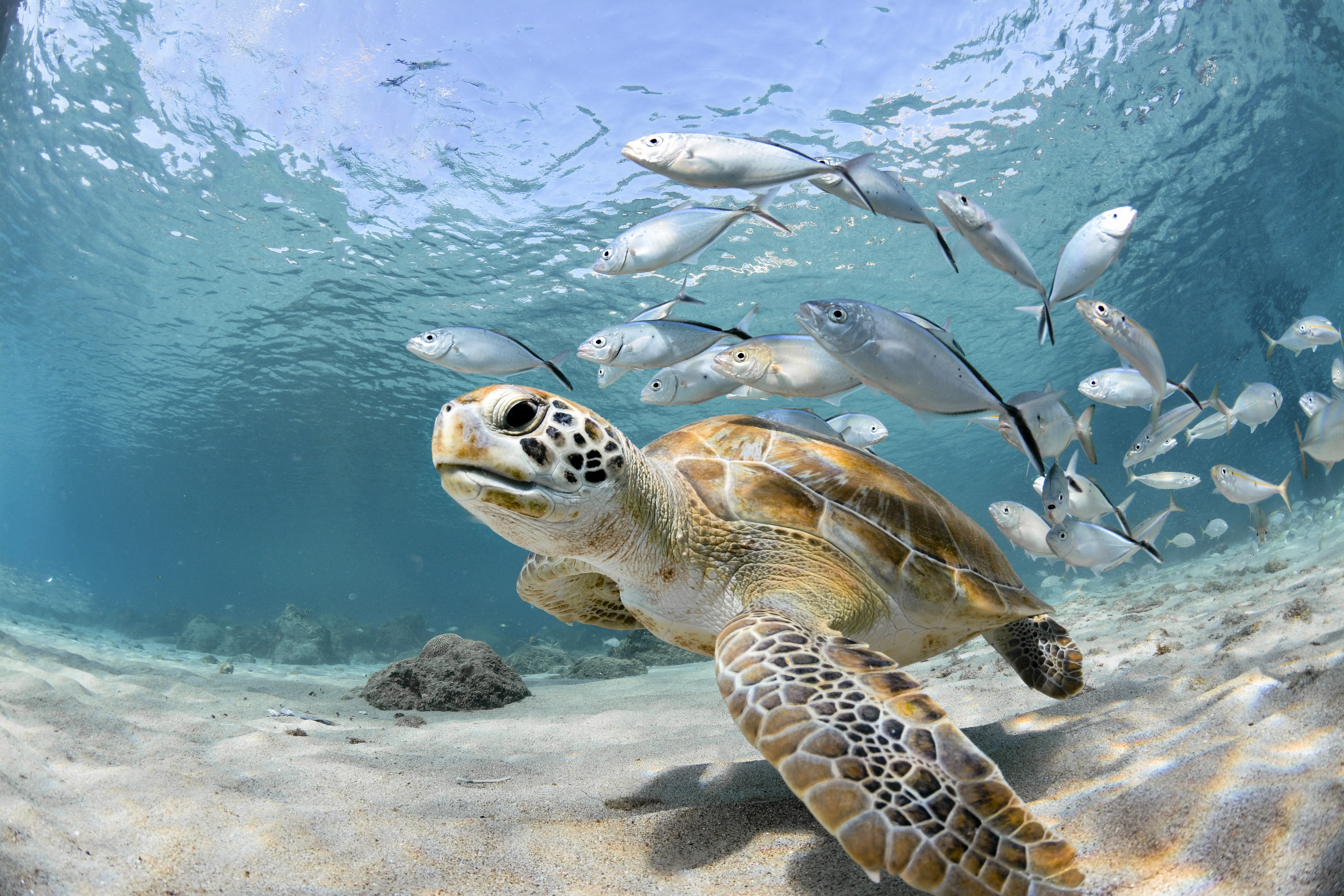
If you’re with a guide, they’ll often point out things that you might miss on your own.
What to Expect on Antigua Snorkeling Tours
Booking one of the many Antigua snorkeling tours makes everything easier. You don’t have to worry about planning routes or bringing gear: it’s all handled for you.
Most tours include:
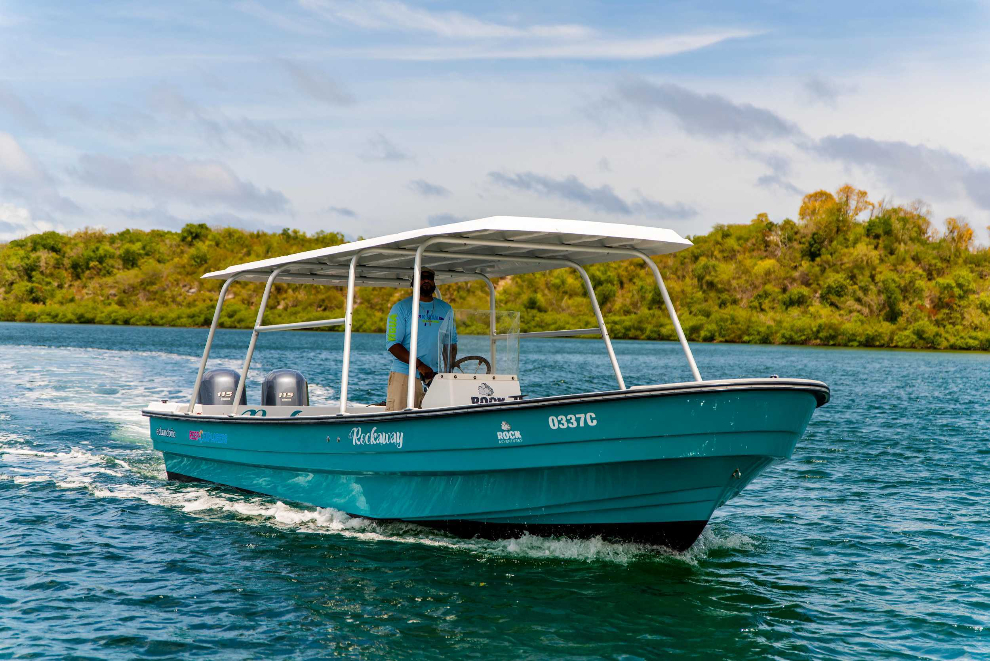
- Boat transportation (catamaran or speedboat)
- Snorkeling gear (mask, snorkel, fins)
- A safety briefing before you get in the water
- Stops at multiple snorkeling locations
- Drinks or light meals, depending on the trip
Many tours also include time to relax, swim, or visit a quiet beach.Travelers interested in more Caribbean water experiences can also explore Caribbean sailing and wildlife excursions.
Catamaran Sailing Experiences
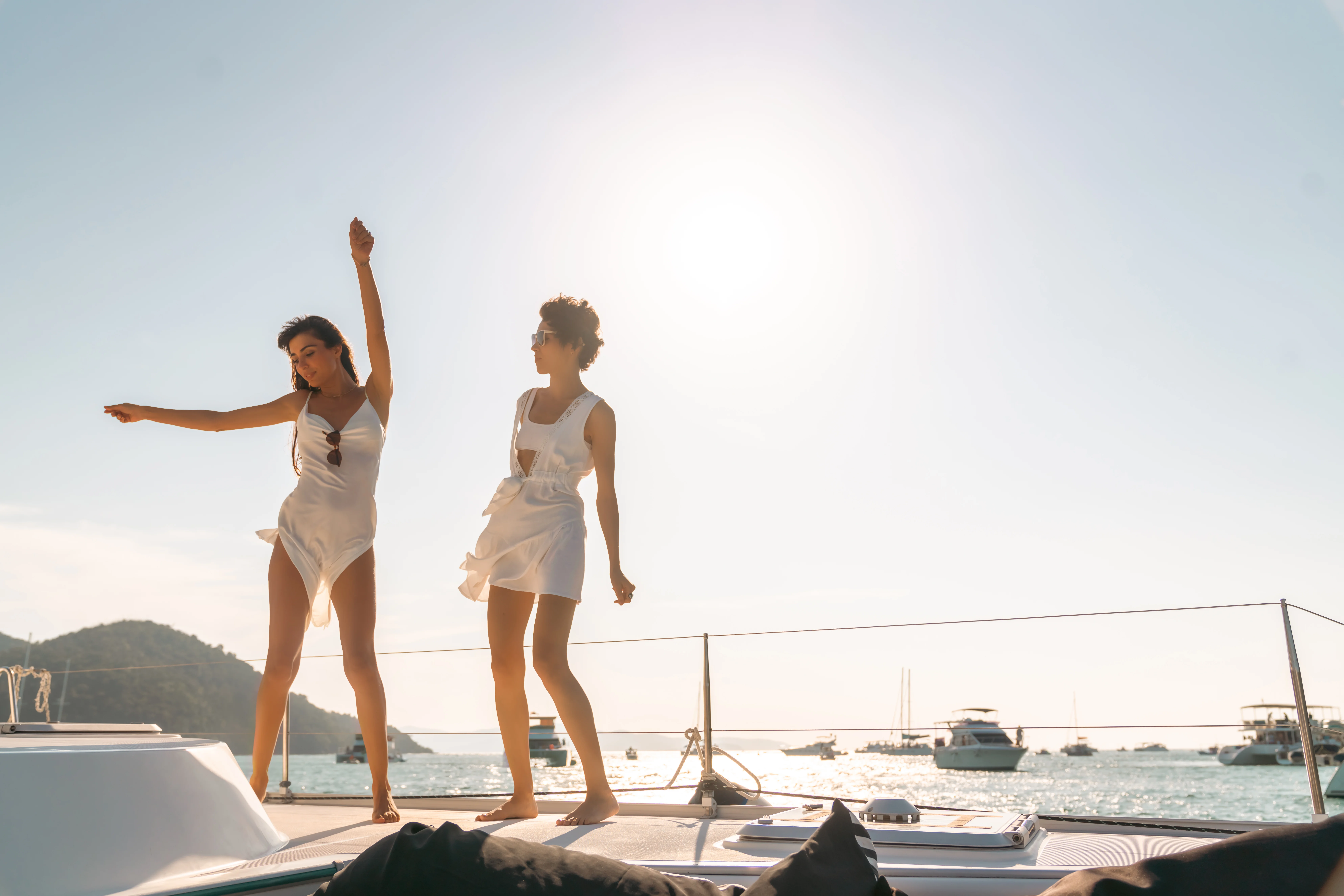
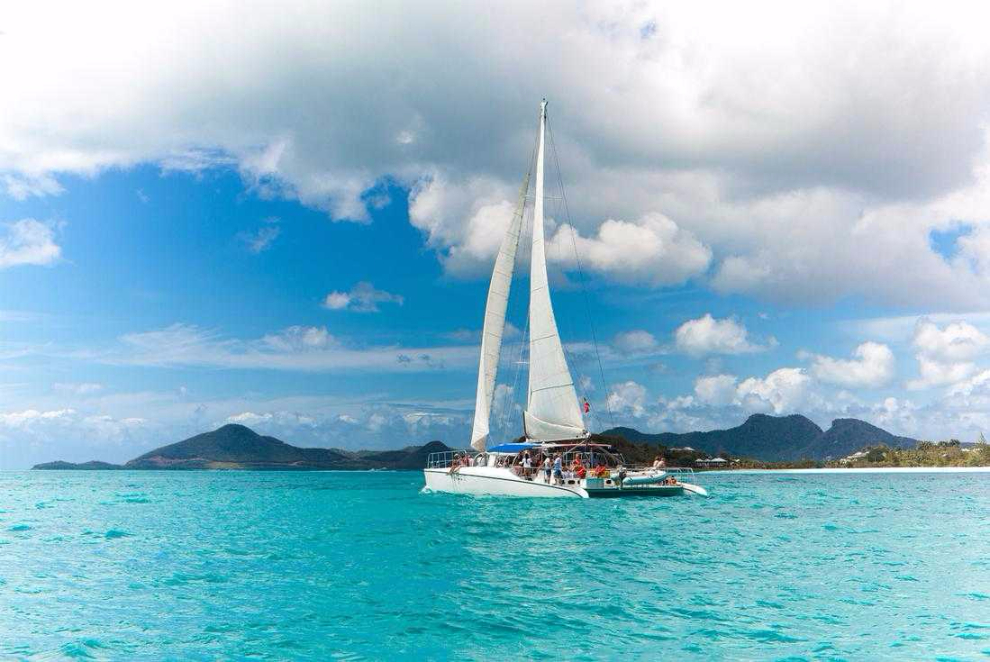
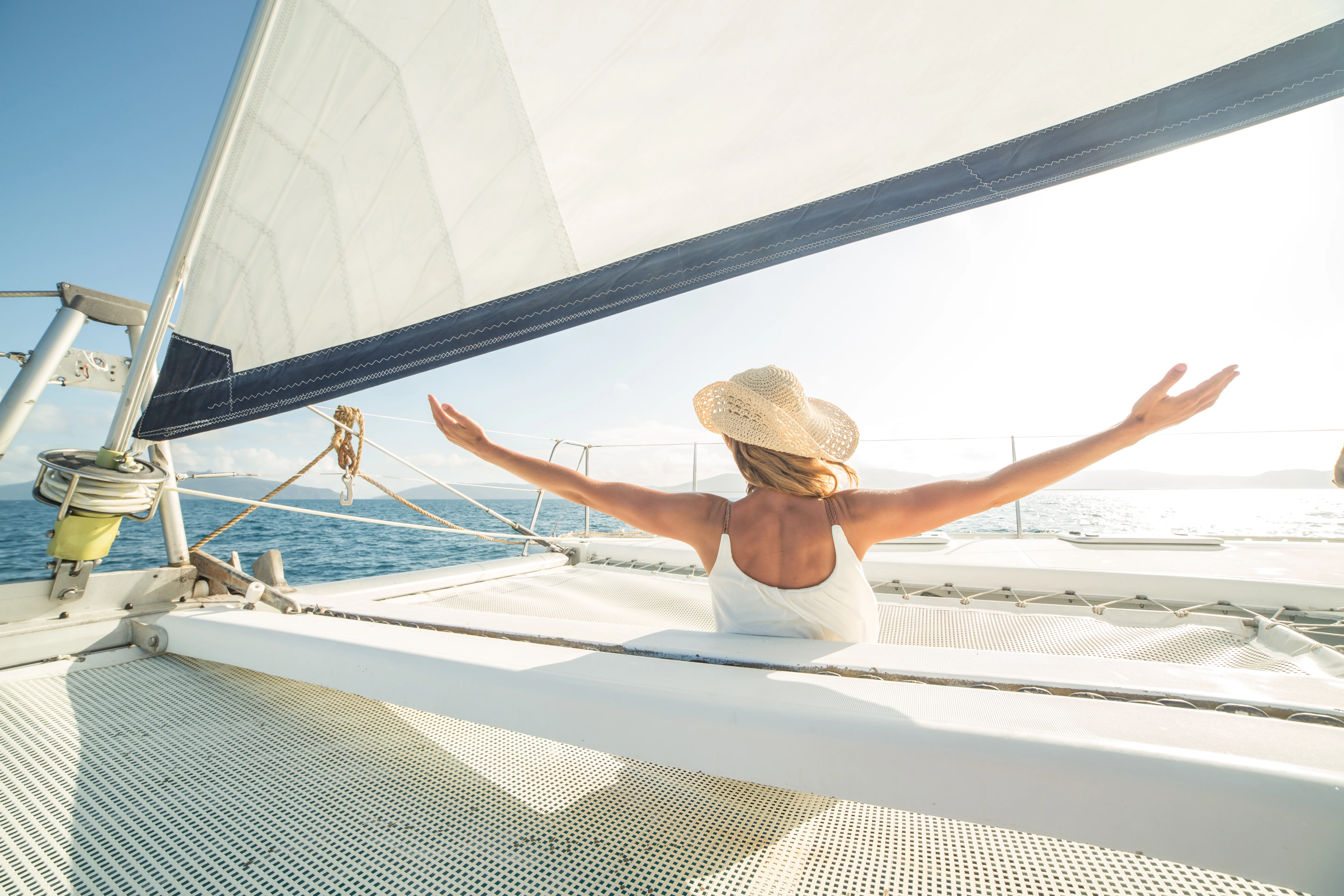
Catamaran tours are a popular choice because they’re comfortable and relaxed.
Here’s what you can expect:
- Plenty of space to sit or stretch out
- Smooth sailing, even if you’re not used to boats
- A mix of snorkeling, swimming, and scenic cruising
It’s a great option if you want a full-day experience that doesn’t feel rushed.
How to Choose the Right Snorkeling Tour
Not all tours are the same, so it helps to think about what you want most from the experience.
1. Your Skill Level
- New to snorkeling → Choose calm, shallow areas
- More experienced → Look for tours with multiple reef stops
2. Group Size
- Small group → More personal attention
- Larger group → More social and often more affordable
3. Boat Type
- Catamaran → Comfortable and spacious
- Speedboat → Faster and more focused on snorkeling time
4. What’s Included
Some tours offer extras like:
- Beach stops
- Lunch and drinks
- Coastal sightseeing
Tips for a Better Snorkeling Experience
A little preparation can make a big difference when it comes to snorkeling in Antigua. Even though many tours are easy for beginners, it still helps to know how to get ready before you step onto the boat or into the water. The more comfortable and prepared you feel, the more you can enjoy the reefs, marine life, and the overall experience.
Here are some simple but important tips to help you have a better time on the water.
Use Reef-Safe Sunscreen to Help Protect the Ocean
Sun protection matters, especially when you’re spending hours outside on a boat or in the water. Antigua’s sunshine can feel strong, and even on a breezy day, it’s easy to get more sun than you expect.
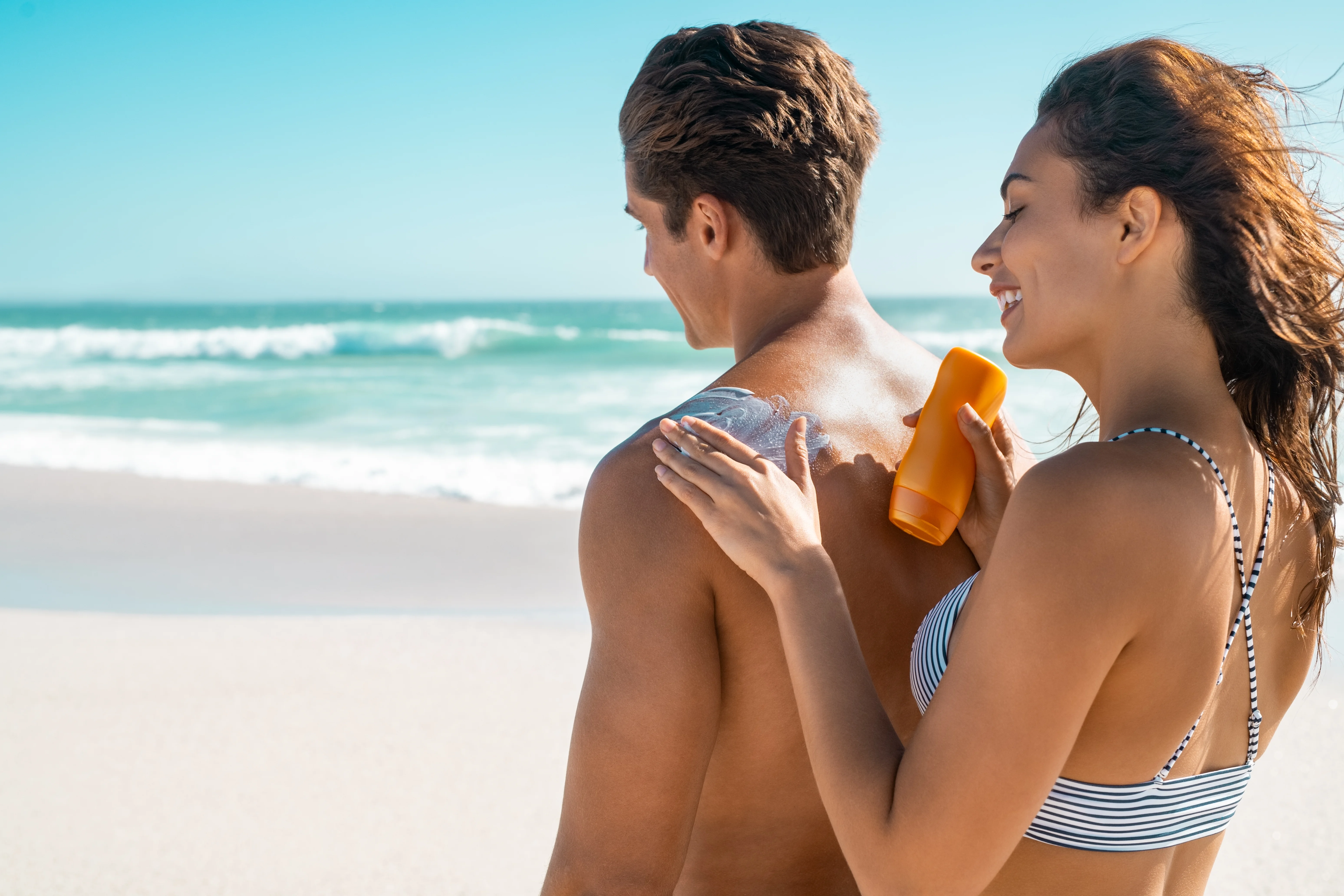
That said, not all sunscreens are the same. Some formulas contain ingredients that can be harmful to coral reefs and other marine life. That’s why reef-safe sunscreen is the better choice when you’re planning a snorkeling trip.
Using reef-safe sunscreen helps in two ways:
- It protects your skin from sunburn
- It helps reduce your impact on delicate reef ecosystems
Do I really need sunscreen if I’m in the water?
Yes, you do. The sun reflects off the water, and you can still burn while swimming or snorkeling. It’s smart to apply sunscreen before your excursion starts and reapply it if needed, especially after toweling off or spending time on deck.
Wear a Rash Guard or Cover-Up for Extra Sun Protection
A rash guard or lightweight cover-up is one of the easiest ways to stay comfortable during a snorkeling trip. It gives you another layer of protection from the sun and can help you avoid feeling overexposed after a long day outside.
This is especially helpful if:
- You burn easily
- You plan to snorkel for more than one stop
- You want to avoid constantly reapplying sunscreen
- You feel more comfortable with a little extra coverage
Many people also find that rash guards make them feel more relaxed in the water. Instead of worrying about sunburn on your shoulders or back, you can focus on enjoying the experience.
Do I need a rash guard if I already have sunscreen on?
You may not need one, but it can definitely help. Sunscreen is important, but clothing adds another layer of protection and can make the day easier overall.
Make Sure Your Mask Fits Properly Before You Get in the Water
A good mask fit can completely change your snorkeling experience. If your mask is leaking, fogging up, or feeling uncomfortable, it can distract you from everything you came to see.
Before you get in the water, take a minute to make sure:
- The mask sits snugly on your face
- The straps are secure but not too tight
- You can breathe comfortably through the snorkel
- Your vision is clear
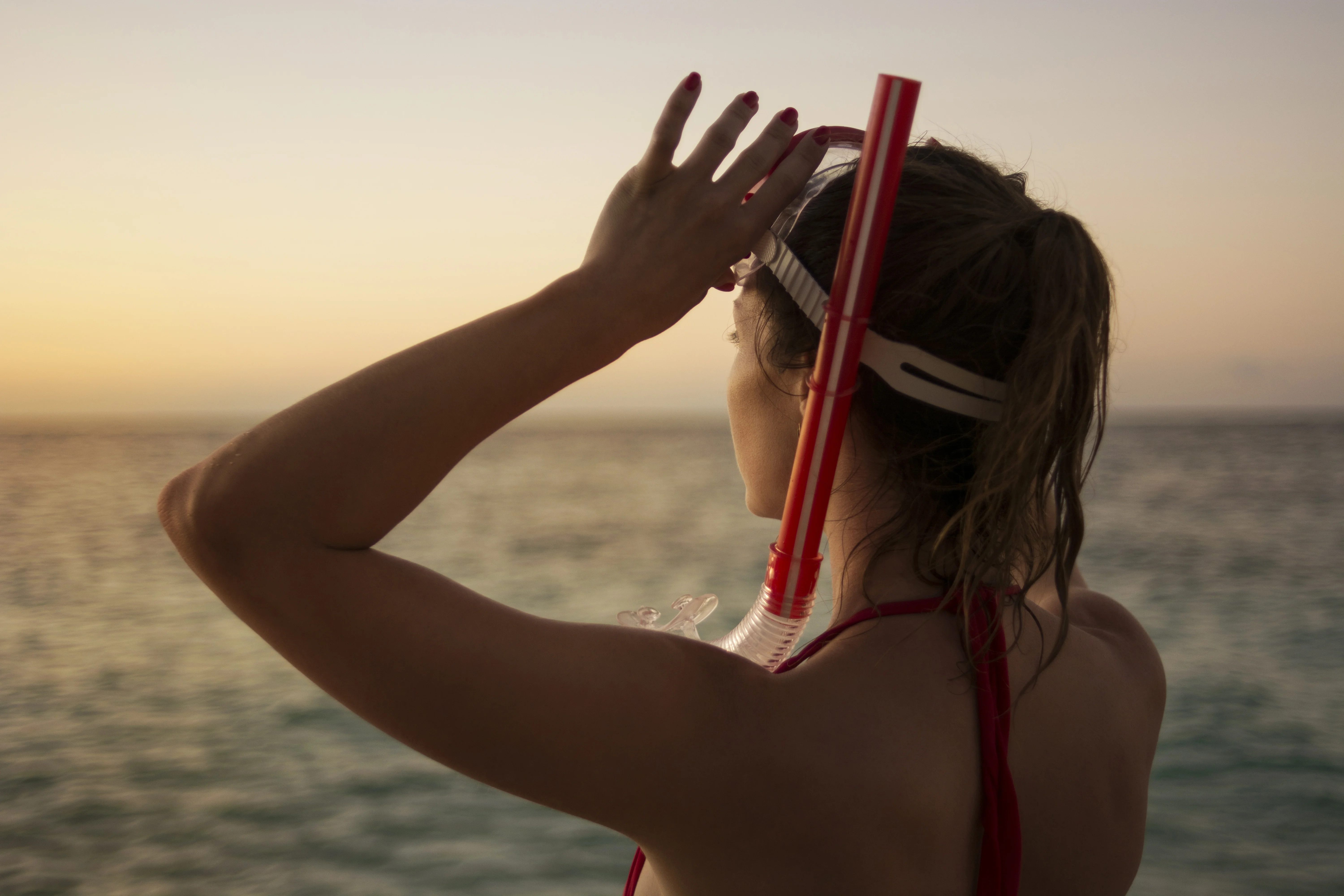
If something feels off, tell your guide before the snorkeling starts. It’s much easier to fix gear issues on the boat than once you’re already in the water.
What if my mask keeps filling with water?
That usually means the fit needs to be adjusted. Sometimes hair, sunscreen, or a loose strap can keep the seal from working properly. A guide can usually help you fix it quickly.
It’s also normal to need a few minutes to get used to breathing through a snorkel. Take it slow. Practice while floating in calm water if you need to.
Listen to Your Guide’s Instructions
One of the best parts of joining a guided snorkeling excursion is having an experienced local guide there to help. They know the area, understand the water conditions, and can tell you where to go for the best views.
Before you get in the water, your guide will usually explain:
- Where to enter and exit safely
- What the conditions are like that day
- How far to swim
- What marine life you may see
- What to do if you feel tired or unsure
It’s important to pay attention during this part, even if you’ve snorkeled before. Conditions can change depending on the weather, wind, and location.
Avoid Touching Coral or Marine Life
When you’re snorkeling, it can be tempting to reach out and touch something colorful or interesting. But it’s always best to keep your hands to yourself and give marine life space.
Coral reefs are living ecosystems. Even a small touch can damage them. The same goes for fish, rays, turtles, and other sea life. Respecting the environment helps protect it for future visitors and keeps the experience safer for everyone.
This means you should:
- Never stand on coral
- Avoid chasing or touching animals
- Keep a little distance while observing marine life
- Move slowly and calmly through the water
Can coral really be damaged that easily?
Yes. Coral is much more delicate than it looks. Touching it, kicking it with fins, or standing on it can cause real harm.
If You’re Nervous, That’s Completely Normal
A lot of people feel nervous before snorkeling for the first time, and that’s okay. You might feel unsure about breathing through the snorkel, floating in open water, or simply being in a new environment. Those feelings are very common.
The good news is that most snorkeling tours in Antigua are beginner-friendly. They’re often designed to help guests feel comfortable step by step.
Guides can usually help by:
- Explaining the gear clearly
- Showing you how to enter the water
- Giving you time to adjust
- Offering flotation support if needed
- Staying nearby while you get comfortable
If you’re feeling nervous, it helps to remember that you do not have to rush. You can take your time, ask questions, and ease into the experience.
What if I’m not a strong swimmer?
Many guided tours can still work for you, especially if they offer flotation devices and support from the crew. Calm snorkeling sites are often chosen with mixed experience levels in mind.
A Few More Helpful Tips Before You Go
Along with the basics above, a few extra habits can make your trip even better:
- Eat a light meal before heading out so you’re comfortable on the boat
- Bring a towel and dry clothes for after the tour
- Stay hydrated, especially on sunny days
- Secure loose items so they don’t get wet or lost
- Follow the pace of the group and don’t swim too far from the guide
These small details may not seem like a big deal at first, but they can really improve your overall comfort.
What Makes a Great Ocean Excursion
The best snorkeling in Antigua experiences are about more than just what you see underwater. It’s about how the whole day feels.
A great excursion usually includes:
- A relaxed schedule that doesn’t feel rushed
- Friendly, knowledgeable guides
- Comfortable boats with space to unwind
- Well-chosen snorkeling spots
- A balance of activity and downtime
When everything is planned well, you can focus on enjoying the moment instead of worrying about the details.
Unforgettable Ocean Experiences Snorkeling in Antigua
From coral reefs to calm bays and even shipwrecks, snorkeling in Antigua offers a simple and enjoyable way to explore the island from a different perspective.
Whether it’s your first time snorkeling or something you’ve done before, the right tour can make the experience feel easy, safe, and memorable.
If you’re ready to get out on the water, consider booking one of the curated Antigua snorkeling tours offered by Island Routes. With experienced guides, thoughtfully planned stops, and a focus on comfort and safety, it’s a great way to make the most of your time in Antigua.
For more information or to start planning your excursion, contact Island Routes and find the experience that fits your trip best.