

Jamaican Art: Murals, Makers, and Creative Traditions
History, Faith, Music, and Everyday Life
Jamaican Art is one of the best ways to understand the heart of the island. It tells stories about history, faith, music, and everyday life in a way that words often cannot. From large murals painted on city walls to hand carved wood pieces made in small villages, Jamaican Art reflects creativity shaped by generations of tradition and lived experience.
For travelers who want more than a beach day or resort pool, exploring Jamaican Art offers a deeper and more personal connection to the island.
It brings you closer to the people, their stories, and the culture that continues to shape Jamaica today.

Why Jamaican Art Is So Important to the Island
Jamaican Art is not something that lives only in galleries or gift shops. It shows up in everyday places and everyday moments. You might see it on a shop wall, on a hand painted sign by the roadside, on a carved figure in someone’s home, or in the colors and patterns used at a local festival. That’s because art in Jamaica has long been a way to share stories, protect traditions, and say what matters.
Long before museums and formal exhibits, Jamaicans used art to pass down beliefs, record history, and express identity. Those creative traditions were shaped by African roots, colonial history, and Jamaica’s long path toward independence.
Jamaican Art feels personal because it comes from real life
A lot of Jamaican Art starts with what people see around them. Artists paint market scenes, street corners, family gatherings, and the natural beauty of the island. Even when the style is bold or abstract, the message often comes back to real experiences.
Here are a few common themes you’ll notice:
- Daily life in towns, cities, and rural areas, including food, fashion, work, and community celebrations
- Spiritual beliefs tied to Christianity and Rastafarian culture, including symbols of faith, hope, and protection
- Pride in African heritage and freedom, often shown through colors, historical figures, or cultural symbols
- Nature, including the Blue Mountains, rivers, lush greenery, and the sea
That mix is a big reason Jamaican Art connects so quickly. It feels familiar and bold at the same time.
Art has been a voice during hard times and proud moments
Jamaica’s history includes both hardship and triumph. In many periods, people did not always have power, land, or equal rights. But they still had stories, ideas, and identity. Art became one way to speak honestly, celebrate resilience, and keep culture alive.
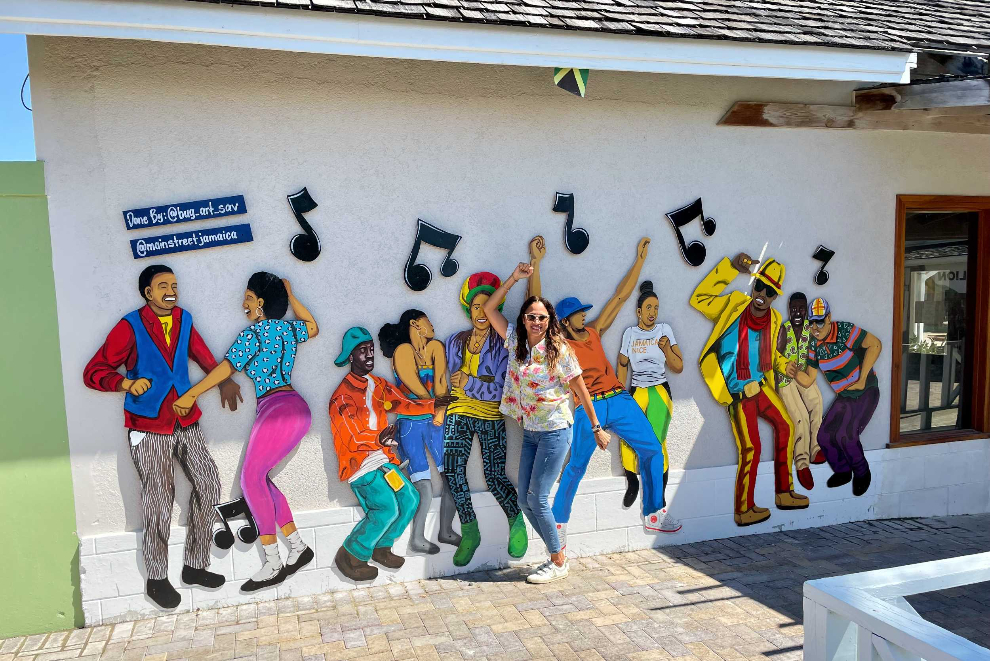
You’ll often see Jamaican Art used to:
- Honor ancestors and cultural roots
- Celebrate independence, national pride, and community leaders
- Reflect on injustice, poverty, or social change
- Share messages of unity, strength, and hope
That’s why Jamaican Art can feel emotional, even when it’s bright and playful. It’s often carrying a deeper message.
Jamaican Art is also community based
Many Jamaican artists create work for their neighborhoods and communities, not just for collectors. Murals, carvings, and handmade crafts can be personal, but they are also a way to lift up a place and the people who live there.
Community art can:
- Turn a plain wall into a story people recognize
- Teach kids local history through images, not textbooks
- Create pride in a neighborhood and keep culture visible
- Support local artists who build a living from their craft
This is one reason art experiences can feel so meaningful for visitors. You are not just “looking at art.” You are stepping into a living culture.
What this means for travelers planning a trip
If you are planning Jamaica with Island Routes, Jamaican Art is one of the best ways to go beyond the typical tourist experience while still feeling safe and supported. Island Routes is built around curated, authentic experiences that help travelers connect with local culture, not just check a box.
Art focused experiences are a great fit when you want:
- A more local view of Jamaica that still feels comfortable and guided
- Moments that are meaningful and photo worthy without feeling staged
- A trip that supports local communities through culture and creativity
Questions readers often ask about Jamaican Art
Is Jamaican Art mostly modern, or does it include older traditions too?
It’s both. Jamaican Art includes bold modern murals and contemporary paintings, but it also includes long standing crafts and handmade traditions passed down through generations. Many artists blend old and new styles in the same piece.
Why do spirituality and religion show up so often in Jamaican Art?
Faith is a big part of Jamaican life for many people. You’ll often see Christian themes, Rastafarian colors and symbols, and cultural ideas about protection, guidance, and hope. For many artists, these are not just design choices. They are part of identity.
What themes show up the most in Jamaican Art?
You will often see:
- Pride in culture and African heritage
- Music and national icons
- Community life and family
- Nature and island landscapes
- Messages about freedom, strength, and social change
How can we experience Jamaican Art respectfully as visitors?
A few simple habits go a long way:
- Ask before taking close up photos of artists or their work in progress
- Buy directly from artists or trusted local markets when possible
- Avoid touching pieces unless you are invited to
- Learn the story behind a piece, it often matters as much as the look
Does supporting Jamaican Art actually help local communities?
Yes. Buying from local artists helps support families, keeps skills alive, and strengthens community pride. It also encourages younger generations to keep creating, instead of letting those traditions fade.
If you want, share the next section you’d like expanded (murals, traditional Jamaican art, makers, or where to see it), and we’ll build it out in the same style.
Murals and Street Art Across Jamaica
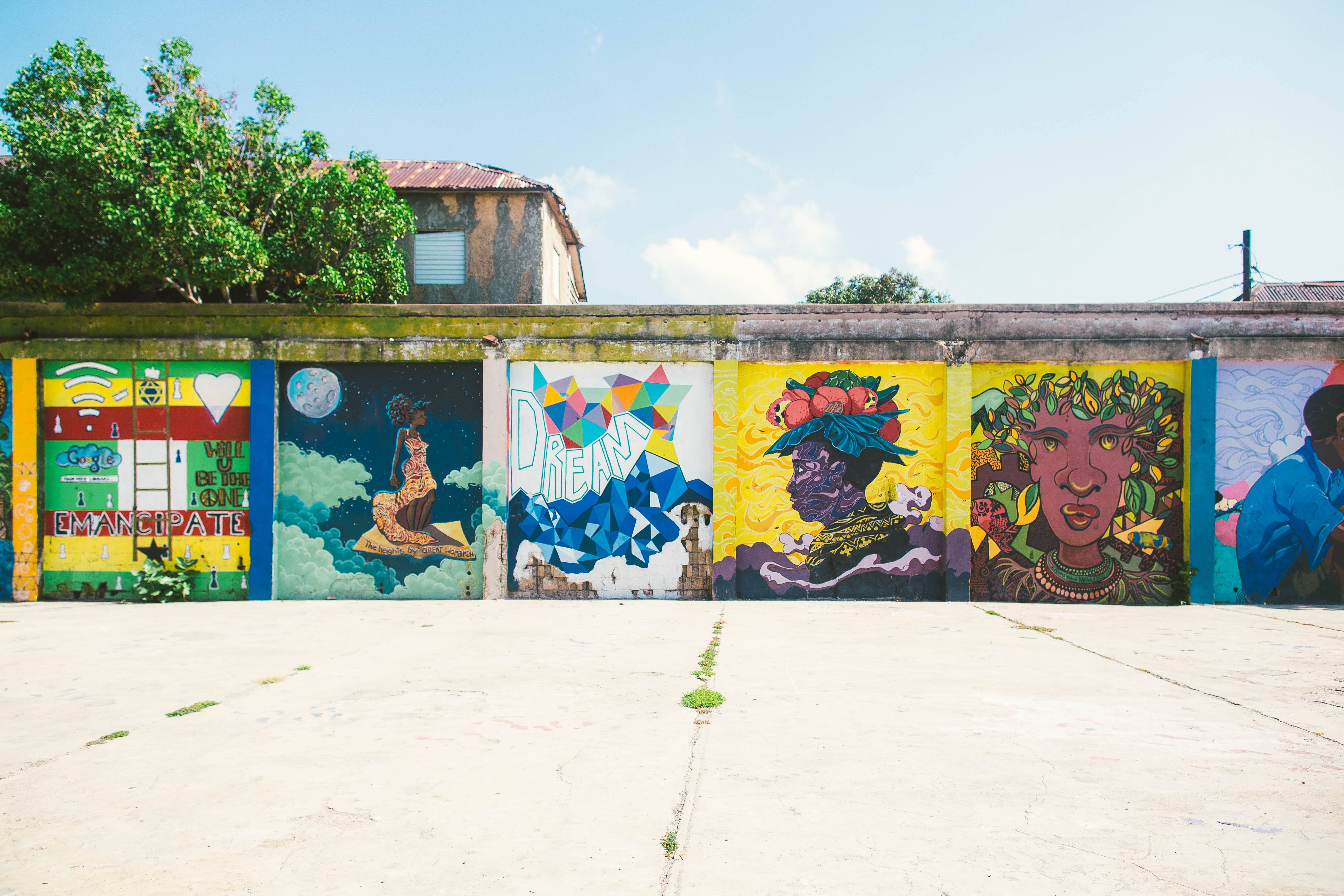
One of the most visible forms of Jamaican Art can be found outdoors. Murals and street art bring color and life to neighborhoods and turn public spaces into open galleries. These works are not created just for decoration. They share messages about culture, community, and identity.
Kingston and the Rise of Street Art
Kingston is known as the creative center of Jamaica. Many neighborhoods feature large murals painted by local artists. These works often highlight important figures like Bob Marley and Marcus Garvey, along with scenes from everyday Jamaican life.
Murals in Kingston commonly focus on:
- Black pride and African roots
- Music, especially reggae and dancehall
- Faith and spirituality
- Strength, unity, and resilience
Walking through these areas allows visitors to see Jamaican Art as it exists for the people who live there, not just for tourists.

Murals Beyond the City
Street art is not limited to Kingston. Smaller towns and rural areas also feature painted walls and community art projects. In these places, murals often tell local stories about fishing, farming, family life, or faith.
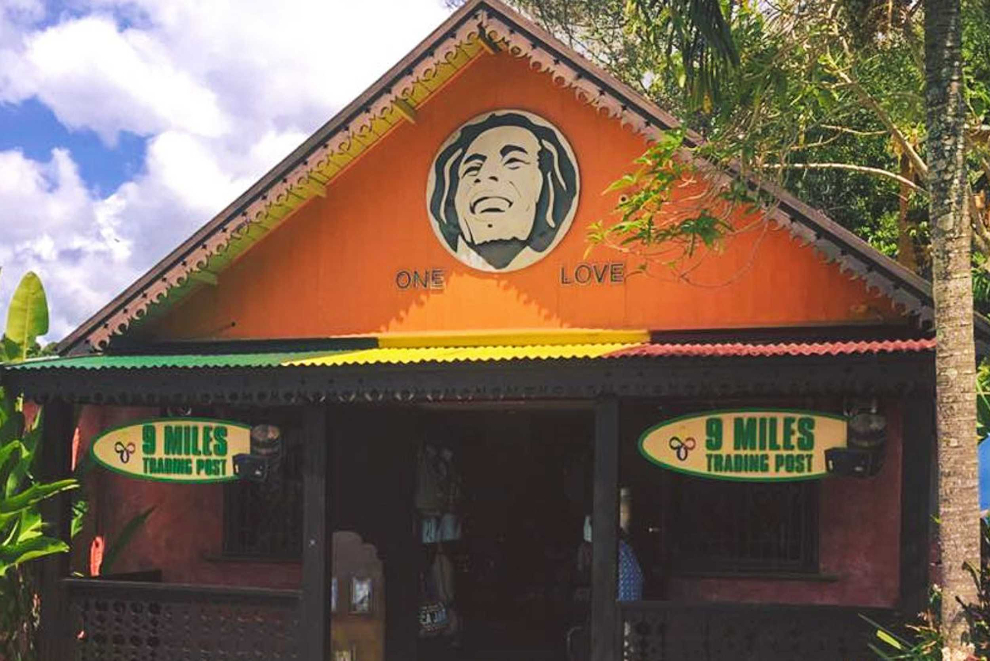
These murals matter because they:
- Preserve local history
- Strengthen community pride
- Give artists a public voice
For visitors, seeing these works offers an honest look at how Jamaicans view their world and their place in it.
Traditional Jamaican Art and Its Deep Roots
What Is Traditional Jamaican Art?
Traditional Jamaican art is closely connected to African heritage and handcrafted skills passed down through families. Many of these techniques have been used for centuries and are still practiced today.
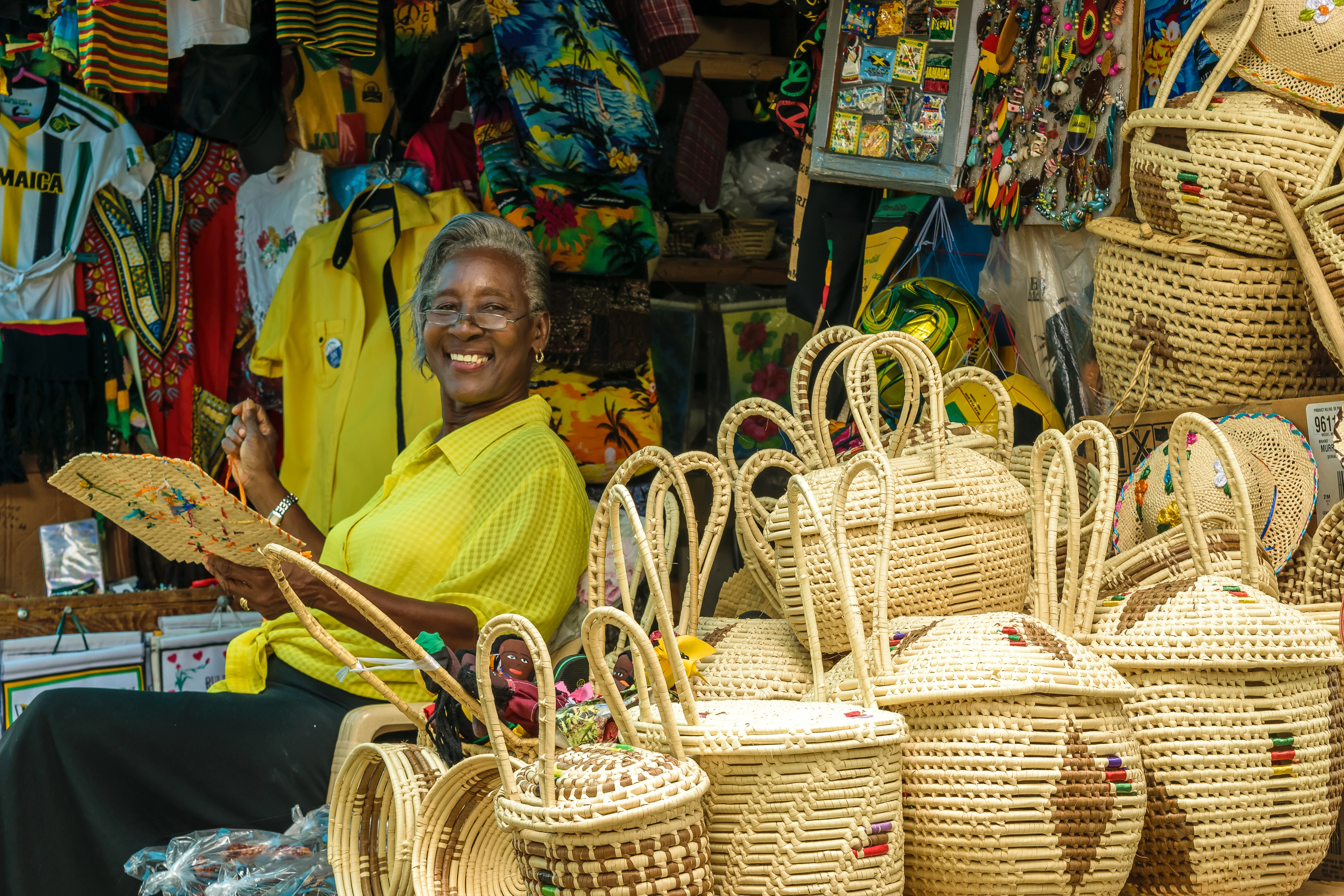
Traditional Jamaican art often includes:
- Wood carvings made from local trees
- Handmade pottery shaped and fired naturally
- Basket weaving using straw, palm, and grasses
- Decorative objects with spiritual symbols
These pieces were often created for everyday use or special ceremonies, not just for display. Each item carries meaning tied to culture and belief.
Spiritual Influence in Traditional Jamaican Art
Spirituality plays a major role in traditional Jamaican art. Rastafarian beliefs influence colors, symbols, and themes, especially in carvings and paintings. Christian imagery also appears often, reflecting the blend of African and European traditions on the island.
In many rural communities, traditional Jamaican art is still created as part of daily life. This helps keep these art forms authentic and rooted in real experiences rather than trends.
The Artists Behind Jamaican Art
Every piece of Jamaican Art begins with a maker who has a story to tell. Many Jamaican artists learn their craft from family members or mentors rather than formal schools. This hands on learning keeps traditions alive while allowing each artist to develop a unique style.
Self Taught Artists and Creative Communities
Many Jamaican artists are self taught. They learn through practice, observation, and community support. This approach leads to a wide variety of styles and materials.
Artists often work with:
- Reclaimed wood and metal
- Natural pigments and dyes
- Found objects from daily life
This creative use of materials reflects the Jamaican spirit of making something meaningful from what is available.
Women and Jamaican Art
Women play an important role in Jamaican Art, especially in pottery, weaving, and mixed media crafts. Many female artists focus on themes like family, home, and community life.
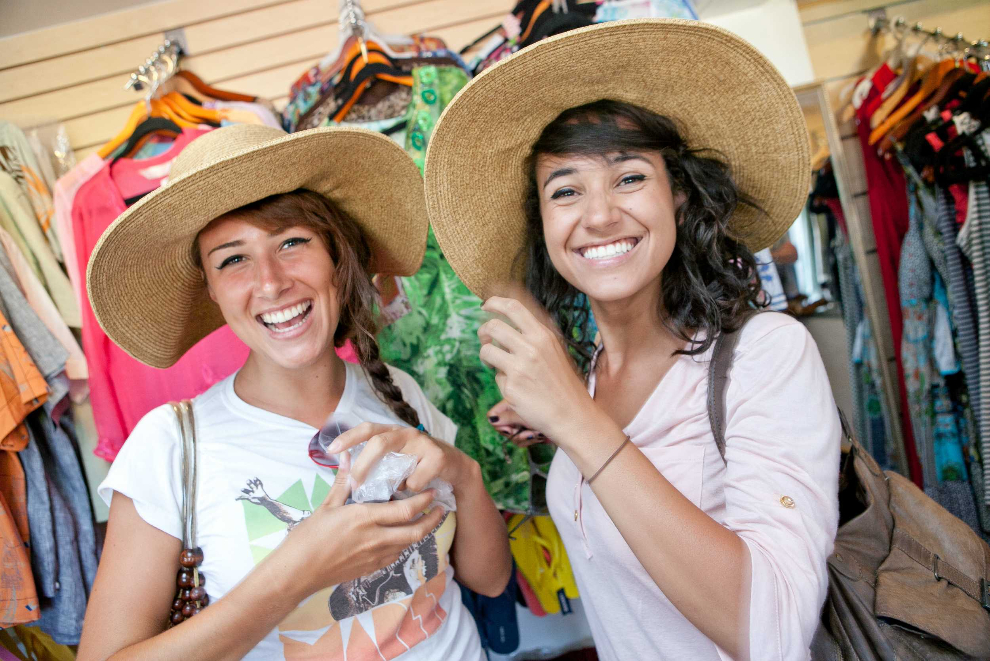
Their work often includes:
- Handwoven baskets and mats
- Ceramic pieces inspired by nature
- Painted scenes of daily island life
Supporting these artists helps preserve creative traditions and strengthens local communities.
Where Visitors Can Experience Jamaican Art
Travelers interested in Jamaican Art will find it woven throughout the island. From galleries to markets, art is part of everyday life in Jamaica.
Galleries and Cultural Spaces
Jamaica has several galleries and cultural centers that showcase both traditional and modern art. These spaces help explain the meaning behind the artwork and introduce visitors to local artists.
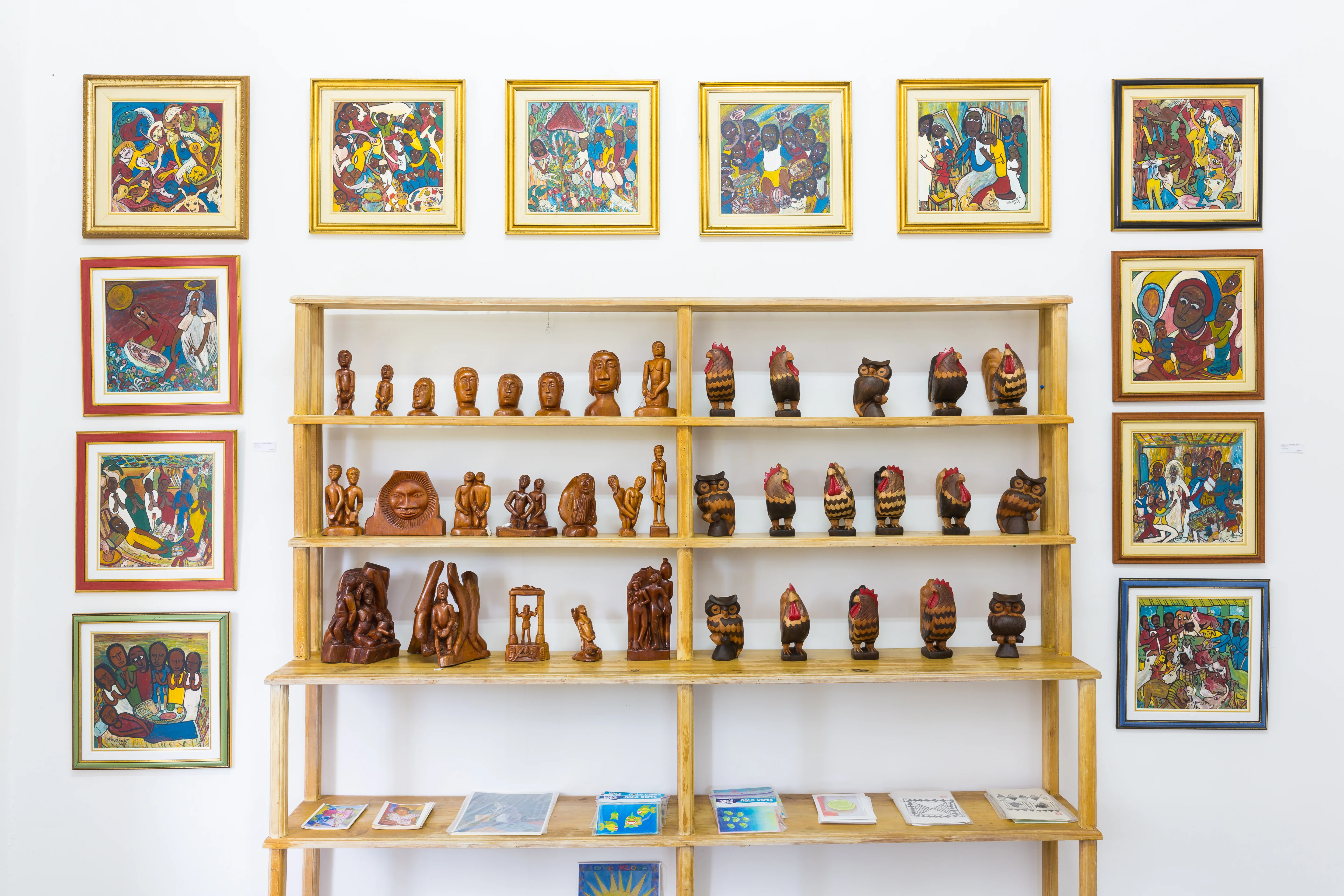
Exhibits often include:
- Paintings focused on social and cultural themes
- Sculptures made from natural or recycled materials
- Rotating displays featuring emerging artists
Visiting these spaces adds context and understanding to the art you see around the island.
Local Markets and Artisan Areas
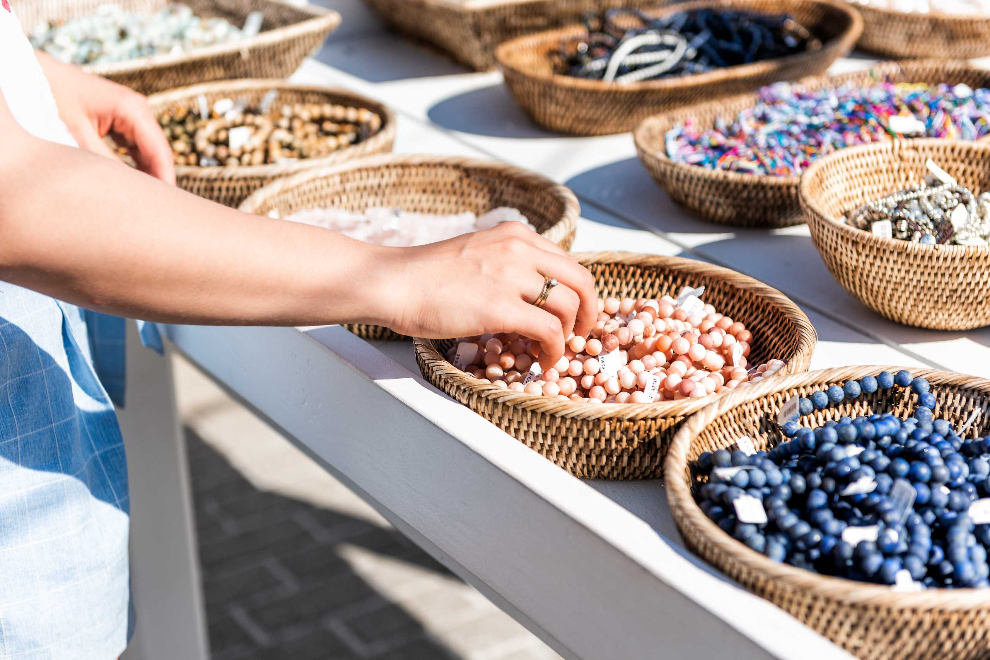
Markets are some of the best places to experience traditional Jamaican art up close. Artists sell carvings, paintings, jewelry, and textiles directly to visitors.
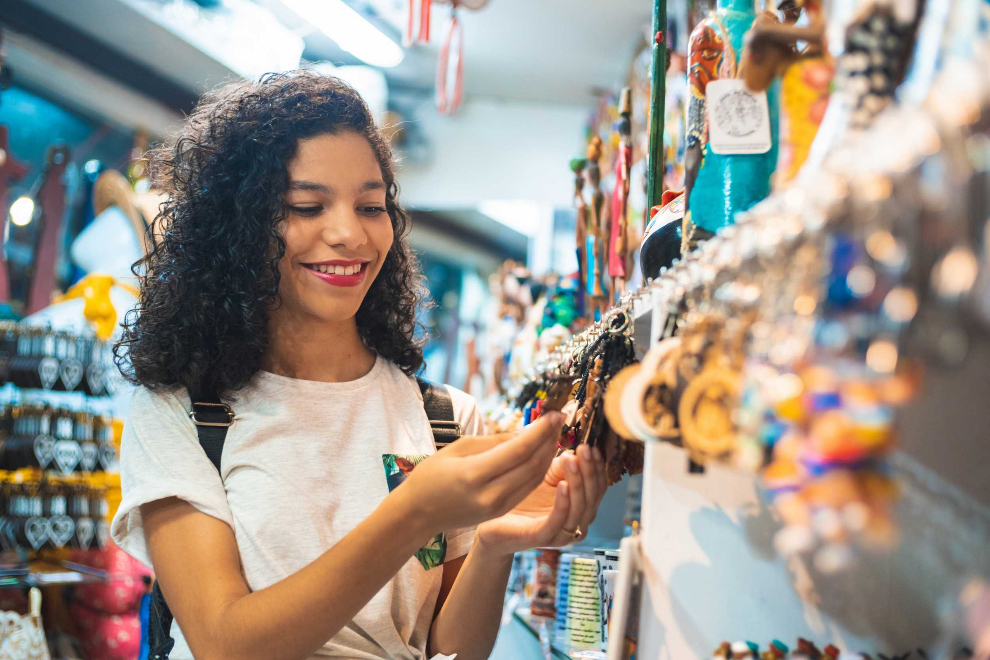
Shopping at local markets allows you to:
- Meet the artist who made the piece
- Learn the story and meaning behind the work
- Support the local economy
These interactions often become some of the most memorable parts of a trip.
How Jamaican Art Connects to Music and Culture
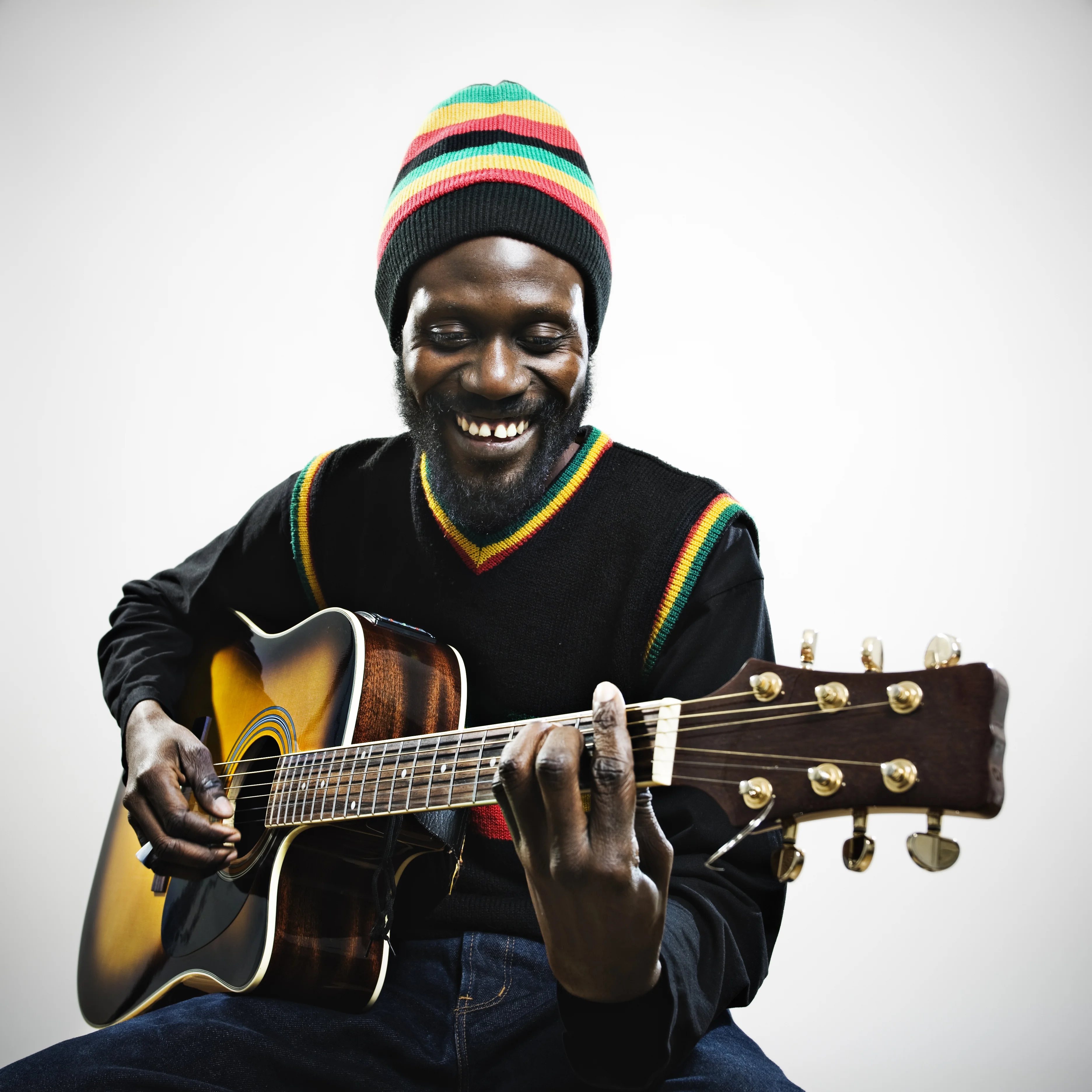
Jamaican Art is closely tied to music and movement. Reggae, dancehall, and traditional rhythms influence visual art through color, rhythm, and symbolism.
Artists often draw inspiration from:
- Reggae lyrics and music legends
- Dance and performance traditions
- Festivals and cultural celebrations
This connection creates a creative cycle where music influences art and art reflects music.
Adding Jamaican Art to Your Travel Plans
For travelers considering a trip to Jamaica, art experiences can add depth and meaning to the journey. Exploring Jamaican Art helps turn a vacation into a cultural experience that feels personal and authentic.
Ways to include Jamaican Art in your trip include:
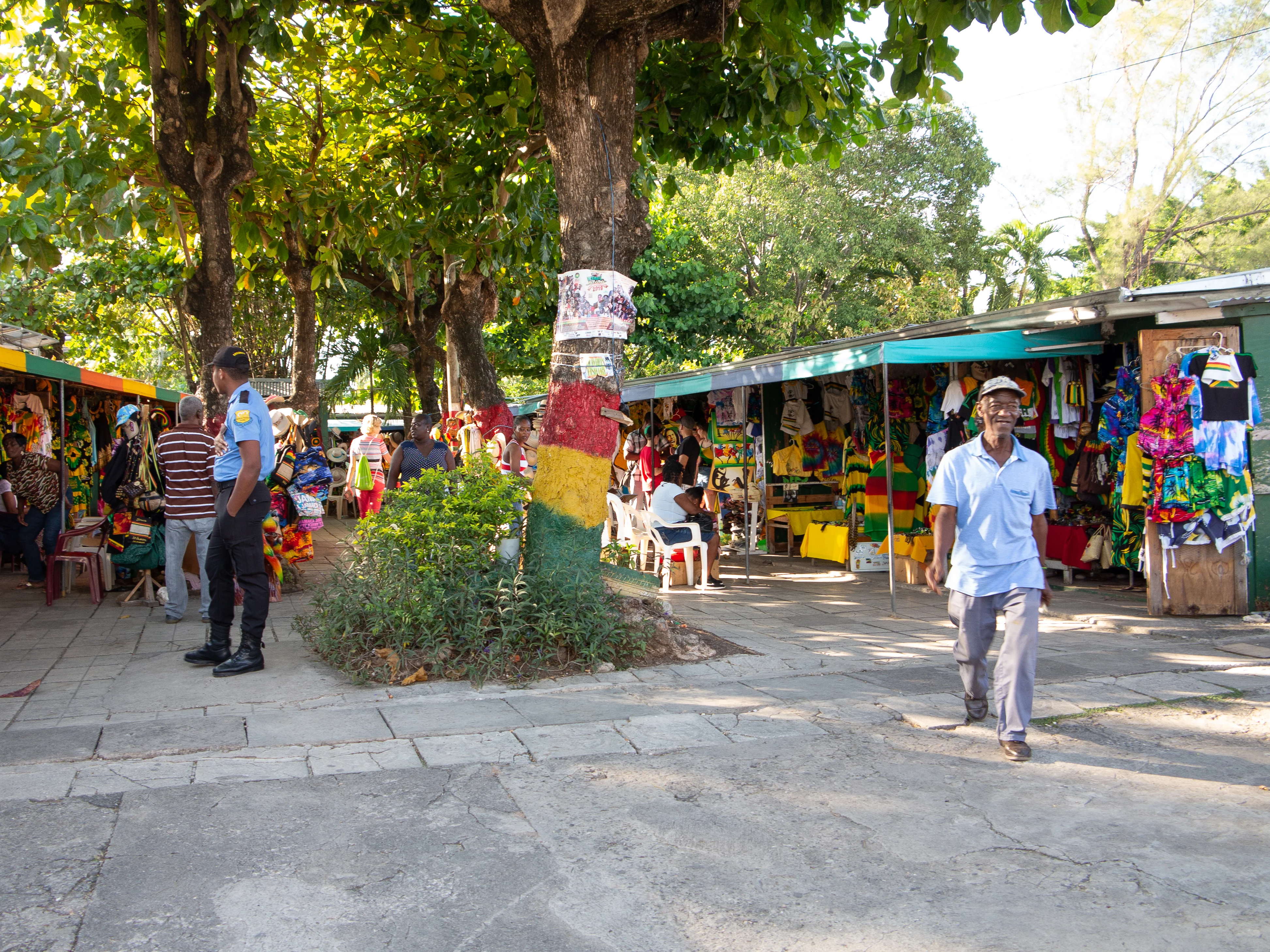
- Craft Market in small Caribbean cruise destination - Ocho Rios Jamaica
- Visits to neighborhoods known for murals and crafts
- Experiences that support community based artisans
Island Routes offers curated excursions that make it easy to experience Jamaican Art in a way that feels safe, comfortable, and enriching.
Frequently Asked Questions About Jamaican Art
What makes Jamaican Art different from other Caribbean art?
Jamaican Art blends African heritage, island life, and modern influences. It often focuses on real experiences, social history, and cultural pride, which gives it a strong and recognizable voice.
What is traditional Jamaican art made from?
Traditional Jamaican art often uses natural and local materials such as wood, clay, straw, and natural dyes. These materials connect the artwork to the land and its resources.
Where can travelers find authentic Jamaican Art?
Authentic Jamaican Art can be found in local markets, community spaces, galleries, and public murals. Exploring beyond resort areas often leads to the most meaningful art experiences.
Is Jamaican street art suitable for families?
Yes, most Jamaican street art focuses on culture, music, and positive messages. Guided visits can help families understand the stories behind the artwork.
How does supporting Jamaican Art help communities?
Buying Jamaican Art supports local artists and helps preserve cultural traditions. It also contributes to community development and creative education.
Can visitors bring traditional Jamaican art home?
Yes, visitors can legally purchase and take home traditional Jamaican art such as carvings, paintings, and crafts. It is best to buy directly from artists or trusted markets and ask about materials used.
Why Jamaican Art Is Worth Exploring
Jamaican Art offers a powerful look into the island’s soul. From vibrant murals to traditional Jamaican art passed down through generations, each piece tells a story of culture, faith, and resilience.
For travelers who want to experience Jamaica beyond the surface, art provides a meaningful connection to the people and their history. If you are planning a trip and want to explore Jamaican Art through guided cultural experiences, contact Island Routes for more information or explore their curated adventures designed to highlight the true spirit of the island.